Gen Z Dating Apps and Where They Meet

The Gen Z dating app scene is defined by a generation that balances curiosity with caution. Younger users grew up with constant online connection, but they also witnessed the downsides of performative profiles, endless swiping, and ghosting culture. These experiences have made them more intentional about how they use dating platforms, and the way they approach Gen Z dating apps reflects a desire for more meaningful interaction.
For many, the goal is no longer to collect as many matches as possible. Instead, there is a stronger focus on authenticity, safety, and low-pressure connections. The most appealing spaces are those that allow personality to shine without forcing a rigid dating script.
Safety remains a top priority. Users want clear verification tools, easy access to block and report features, and options for shared safety measures such as location sharing with friends before meeting. Mental health awareness also plays a role, with more people limiting the time they spend swiping to avoid burnout.
A successful Gen Z dating app experience is one where discovery feels natural, conversations flow with ease, and matches are built on compatibility rather than pure convenience.
App Landscape: Who Uses What and Why
Each dating app appeals to a different segment of the Gen Z audience, offering its own mix of tools and communities. Tinder is still widely used for quick and broad match potential, but it has shifted toward being a casual way to explore local connections rather than the primary route to long-term relationships.
Hinge attracts those seeking a mix of intention and personality. Its prompts, profile depth, and voice note features make it ideal for people who enjoy creative conversation starters. Bumble remains popular for its woman-first approach and for its friend and business networking modes.
Niche platforms fill important roles. Feeld caters to open and nontraditional relationship structures. Grindr and HER create LGBTQ+ focused spaces where shared identity is at the core of the experience. Across all platforms, Gen Z users respond best to apps that enforce safety policies, celebrate identity, and offer tools for genuine connection.
The most successful apps adapt to evolving communication styles. Prompts, voice messages, and short video clips are becoming just as important as text profiles, and platforms that integrate these features seamlessly keep users engaged longer.
Why App Fatigue Is Rising
Even with a variety of platforms to choose from, many people are feeling dating app fatigue. Endless scrolling creates choice overload, making it harder to commit to one match. Conversations often fizzle before a meeting, leaving users drained instead of excited. Ghosting remains a common issue, which can reduce trust and willingness to invest time.
The fatigue is both emotional and practical. Building a profile, starting conversations, and managing multiple matches can feel like work without much reward. Some users are responding by taking breaks from apps entirely or using fewer apps more strategically.
To address this, platforms are introducing new features. Verification systems reduce fake accounts, anti-spam tools limit mass messaging, and interest-based matching encourages more intentional connections. These changes are aimed at making the dating process feel more meaningful and less like a chore.
Social Platforms as Dating Funnels

Dating is no longer limited to dedicated apps. Many connections now start on mainstream social media, where friendship, shared interests, and flirting can blend naturally.
Instagram is one of the main crossover spaces. A simple follow might lead to story replies, which can gradually develop into private conversations. TikTok adds a different dimension, where people discover each other through shared humor, trending sounds, or niche content communities.
Platforms like Discord and Geneva, while not traditional dating apps, have become spaces where relationships can form. Group chats for hobbies, activism, or study sessions provide a relaxed backdrop for connections. This indirect approach often feels more comfortable and authentic, giving users a better sense of personality before any direct romantic interest is expressed.
IRL Is Back: Events and Micro-Communities
Face-to-face interaction is making a strong return. Many people want to experience chemistry in person rather than relying solely on online impressions. Structured events like singles nights and speed dating sessions have regained popularity among those who want to bypass weeks of text exchanges.
Micro-communities are also thriving. Hobby-based meetups such as running clubs, art workshops, and board game nights offer a natural setting to meet new people. These spaces remove the pressure of a one-on-one date and allow attraction to grow organically.
For Gen Z, this shift fits the preference for authentic connection. Meeting through shared activities makes conversation easier and creates an immediate common ground. Local businesses and community spaces have embraced this trend, hosting events that encourage both socializing and potential romantic sparks.
Where They Actually Meet Offline
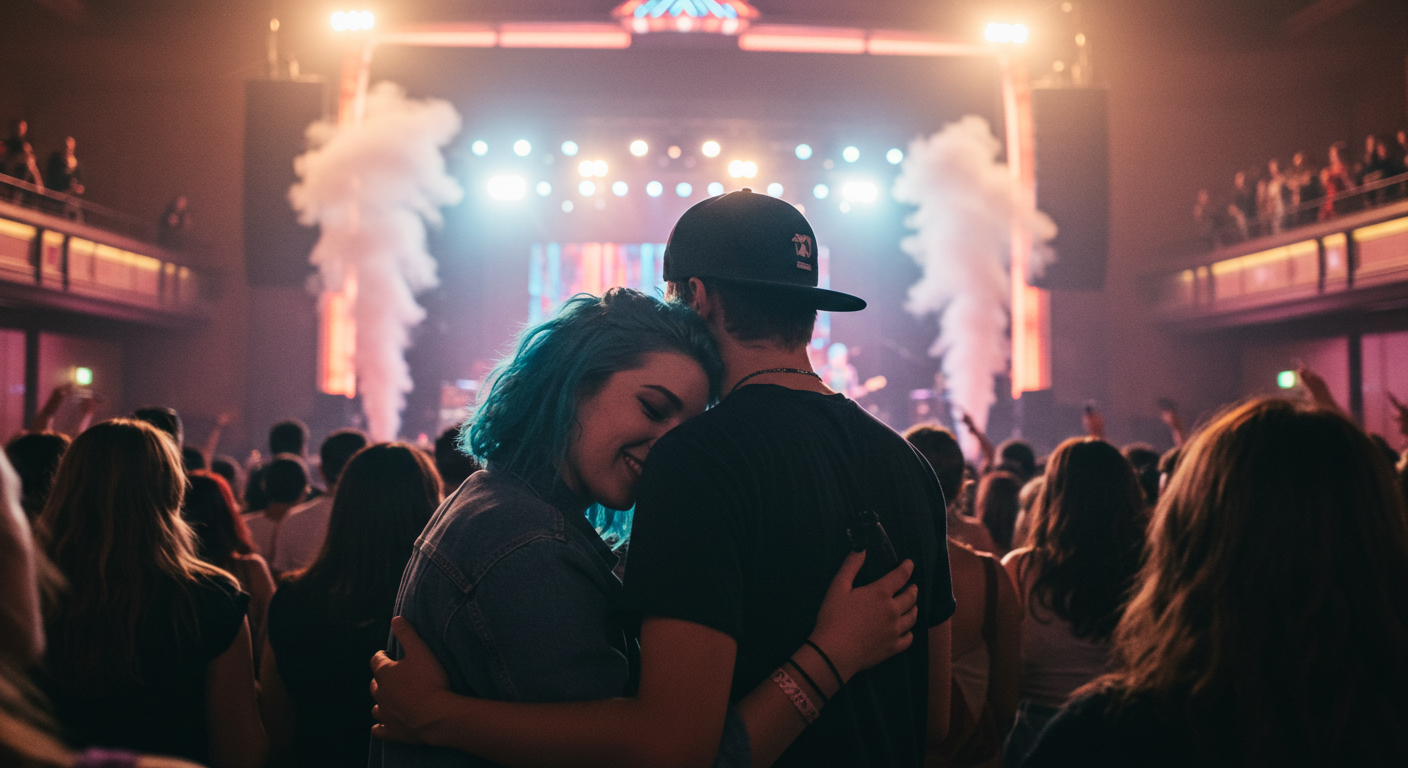
While dating apps and social platforms play a major role in sparking interest, many relationships start in familiar, real-world settings. Campus life remains a natural meeting ground, with group projects, clubs, and social events providing consistent opportunities for casual interactions.
Workplaces can also be a source of connections, though younger professionals tend to be more cautious about mixing work and romance. Cafes, concerts, and community events are popular because they create organic moments to start a conversation without the intensity of a formal date.
Shared-interest spaces are some of the most effective meeting points. Local running clubs, volunteer groups, and book clubs create a built-in conversation starter and reduce the awkwardness of first meetings. For many, meeting in these environments offers a sense of comfort and authenticity that purely digital introductions cannot always provide.
Safety and Vetting in 2025
Safety is at the forefront of modern dating habits. Gen Z users tend to approach first meetings with built-in protective steps, such as arranging to meet in public spaces, informing a friend of the details, or sharing live location during the date.
In the digital space, friend filters and group-chat approvals are becoming more common. Before meeting, some people introduce matches to a mutual friend through a group chat as a soft vetting process. Social media can act as an additional layer of confirmation, with a quick check of profiles helping verify identity and lifestyle.
Apps themselves have improved safety features. Video chat within the platform before meeting, identity verification badges, and quick-access emergency buttons give users more confidence in their interactions. This combination of tech tools and personal safety habits allows Gen Z daters to maintain boundaries while still engaging openly.
Match-to-Meet Playbook

Moving from a match to an actual meeting is often a gradual process. Many start with short in-app conversations, then shift to direct messaging on another platform for a more relaxed exchange. A quick voice note can help establish tone and personality before setting up an in-person plan.
Timing is important. Waiting too long can cause momentum to fade, but rushing into a meeting can feel forced. For most, one to two weeks of light conversation and casual sharing works well. Low-pressure plans like grabbing coffee, visiting a market, or attending a casual event together help keep the focus on comfort and natural chemistry.
Consent-forward language is essential. Asking if the other person is ready to meet, offering flexible scheduling, and making sure the venue feels safe to both parties ensures the first meet is positive. The goal is to make the step from online to offline smooth, comfortable, and free of unnecessary pressure.
Future of Gen Z Dating Apps

The dating landscape is shifting away from passive swiping toward more intentional and community-driven discovery. Event-led matchmaking is likely to expand, combining the convenience of digital tools with the authenticity of in-person interactions.
Artificial intelligence is already playing a role in moderation and compatibility matching, making it easier to connect with people who share similar values and lifestyles. Smaller community apps and hybrid platforms that blend friendship and dating are expected to grow, especially among users who want connections to develop within trusted social circles.
The future will still involve apps, but the focus will continue moving toward spaces that feel personal, safe, and engaging. For Gen Z, the priority is not just finding a match, but finding one that aligns with their sense of identity, comfort, and authenticity.
My Go-To Platform for Flings, Affairs, and MILFs
Looking for top-notch flings, affairs, or MILFs? Skip the rest, AdultFriendFinder is the gold standard. Zero bots, zero fakes—just real connections. I've scored big in multiple cities. Sign up now, it's FREE!