
Gen Z Dating Trends and Culture in 2025


Gen Z, generally defined as those born between 1997 and 2012, holds a unique position in dating culture. They are the first generation to have grown up entirely in the digital age, where smartphones, high-speed internet, and social media are as normal as air and water. Unlike older generations, Gen Z has never really known a world without instant connectivity.
This group has also come of age during a time of major global shifts. They have experienced the COVID-19 pandemic, political unrest, economic challenges, and rising awareness of climate change. These events have not only influenced their worldviews but also shaped how they form and maintain romantic connections.
In 2025, Gen Z dating trends reflect a mixture of digital convenience and a deep desire for genuine connection. Their dating lives are shaped by apps, social media interactions, and online communities, yet there is a noticeable push toward authenticity and in-person experiences. They are redefining the norms of relationships, balancing technology with real-world intimacy, and creating new cultural standards for love.
The Gen Z Dating Mindset in 2025

The dating mindset of Gen Z in 2025 is grounded in values that reflect the challenges and opportunities of their time.
Authenticity is a key value. Gen Z tends to avoid heavily filtered images and overly curated profiles. They appreciate transparency and look for partners who are real about their intentions, flaws, and aspirations.
Emotional intelligence is highly valued. Many Gen Z individuals expect a partner to be self-aware, empathetic, and capable of healthy communication. Relationships that lack emotional depth or mutual respect are quickly left behind.
Inclusivity and equality play a major role. Gen Z embraces diversity in gender identity, sexuality, and cultural backgrounds. They are open to relationships that challenge traditional norms, and many prioritize equality in emotional labor, finances, and decision-making.
There is also a preference for slow-burn relationships over rushing into commitments. Gen Z often wants to take the time to understand a potential partner before labeling the relationship. This approach is influenced by their focus on mental health and personal growth, which shapes partner choices.
Financial realities also play a part. Many in this generation face student debt, high housing costs, and uncertain job markets, which can impact decisions about cohabitation or marriage. Climate change concerns and social activism also influence their romantic values, with some choosing partners whose beliefs and actions align with their own.
How Gen Z Flirt and Communicate
For Gen Z, flirting is a mix of digital and in-person interaction. While face-to-face connection is important, many relationships begin with online exchanges.
Online flirting often involves sending memes, TikTok videos, or voice notes. These small gestures act as modern love signals, showing humor, shared interests, or emotional tone. A well-timed meme can be as meaningful as a bouquet of flowers in traditional courtship.
In-person flirting still matters, but it is often more subtle. The so-called “Gen Z stare” is a popular trend, where prolonged eye contact conveys attraction without words. Small physical cues like leaning in during conversation, playful teasing, and shared laughter also remain common.
Love languages for Gen Z are evolving. While the classic five love languages still apply, digital expressions like commenting supportively on posts, tagging someone in content, or sending good-morning texts are now part of the mix.
Slang and texting codes are also a big part of their style. Words and phrases change quickly in online spaces, and knowing the latest terms can be a sign of being in tune with dating culture.
Gen Z Dating Slang and Trends

The vocabulary of dating in 2025 is filled with terms that reflect online culture and shifting relationship norms.
Breadcrumbing is when someone gives occasional attention without real commitment, keeping the other person interested but never progressing the relationship.
Gyatt is a slang term often used to express attraction, especially in online spaces.
Dry dating refers to dating without alcohol, part of a broader sober-curious movement among Gen Z.
Other trends include benching (keeping someone as a backup), ghosting (ending contact suddenly without explanation), and orbiting (keeping track of someone online without direct interaction).
Online communities, from Reddit forums to niche Discord servers, influence dating behavior by providing advice, sharing stories, and shaping ideas of what is acceptable or appealing in relationships.
Where Gen Z Meet and Date
While dating apps remain popular, their use is evolving. In 2025, apps like Hinge, Bumble, and Tinder have introduced video prompts, compatibility quizzes, and mutual friend matching. These features make digital connections feel more personal and reduce the sense of talking to a stranger.
However, there is a noticeable movement away from relying solely on apps. Many Gen Z individuals prefer meeting through shared hobbies, local events, or mutual social circles. Book clubs, sports leagues, volunteer groups, and creative workshops are becoming popular places to meet potential partners.
Even when meeting in person, digital tools often play a role. Social media profiles act as informal introductions, allowing people to gauge compatibility before spending more time together.
Gen Z Dating Older Men and Women
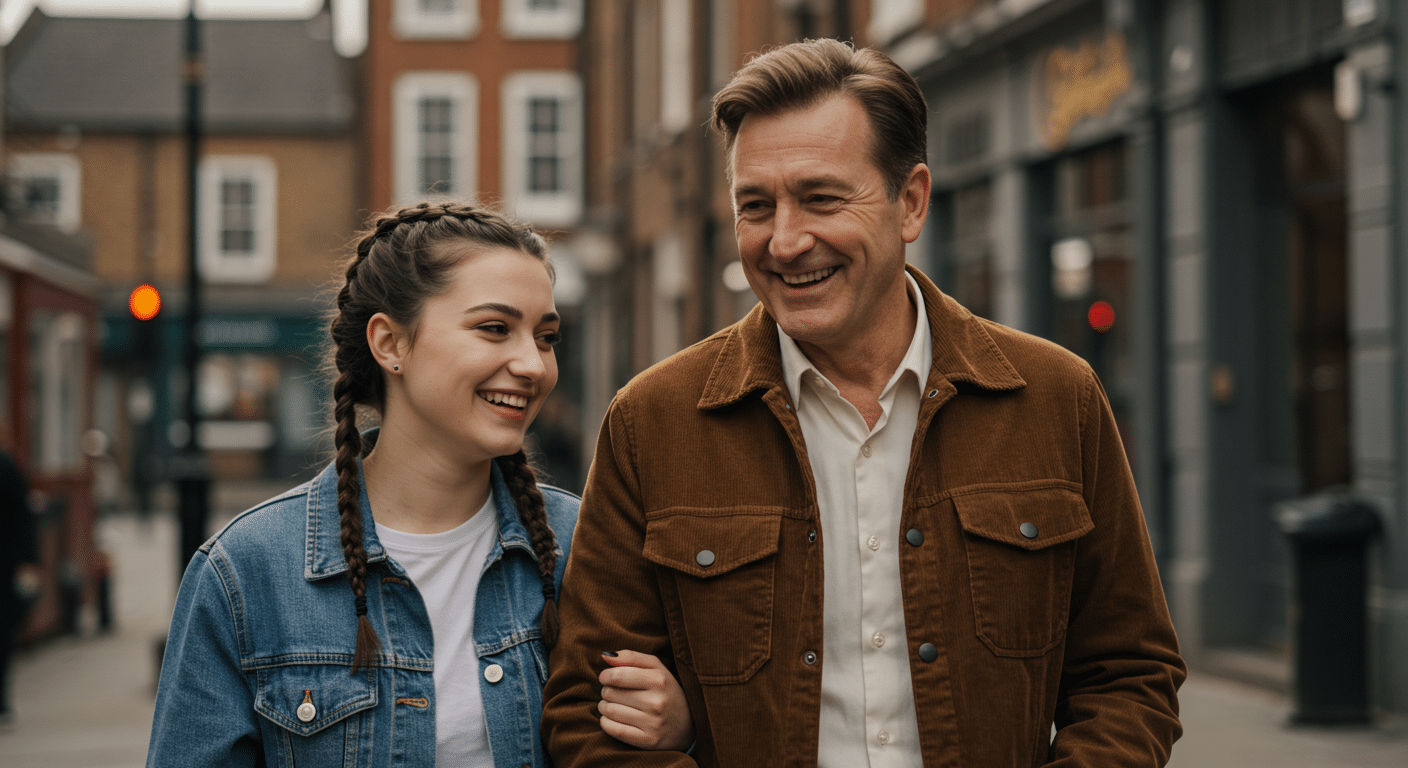
Age-gap relationships are not uncommon in 2025, and Gen Z has a more open attitude toward them than some previous generations.
Some Gen Z women prefer older men due to perceived stability, life experience, and maturity. Likewise, some Gen Z men date older women for similar reasons. These relationships can offer a different perspective and balance, with one partner bringing youthful energy and the other offering guidance or stability.
Societal stigma still exists, but it is less intense in Gen Z circles. Many in this generation believe that as long as both partners are consenting adults and the relationship is healthy, age should not be a barrier.
For such relationships to thrive, communication and mutual respect are key. Both partners need to be aware of potential challenges, such as differences in life stage or cultural references, and approach them with openness.
Gen Z Marriage Trends and Relationship Views
Marriage is no longer the default path for many in Gen Z. A significant number are choosing to remain single longer, or even permanently, as they prioritize personal growth, career goals, and financial stability.
When it comes to long-term commitment, cohabitation without marriage is increasingly common. Some prefer partnerships that focus on mutual support without legal or religious ties.
Views on sex, exclusivity, and relationship boundaries are also evolving. Ethical non-monogamy and open relationships are discussed more openly and accepted by some as valid lifestyle choices.
For others, monogamy remains important, but it is often paired with a strong emphasis on individual independence and mutual respect for personal goals.
The Role of Technology and AI in Gen Z Dating

In 2025, technology plays a major role in shaping how Gen Z finds and maintains relationships.
AI-powered matchmaking is becoming more sophisticated, using detailed compatibility assessments and behavioral data to suggest potential partners. These systems can identify shared values and personality traits that might not be obvious from profiles alone.
Some people use chatbot simulations to practice flirting or have “trial conversations” before engaging with real matches. These tools can help build confidence, especially for those who are shy or inexperienced.
Safety is also a top concern. Many dating platforms now have verification features, background checks, and digital consent tools that ensure both parties feel secure before meeting in person.
While technology offers convenience, Gen Z also recognizes the need for balance. Many intentionally step away from apps to meet people in natural settings, valuing the unpredictability of real-life encounters.
Challenges and Controversies in Gen Z Dating
Gen Z dating in 2025 is not without its difficulties.
Dating fatigue is a common issue. The constant availability of matches can lead to burnout, making people less willing to invest in deeper connections.
Social media can create unrealistic expectations, as couples often share only the most flattering moments of their relationships. This can lead to comparisons and dissatisfaction.
There is also debate over authenticity in online dating. Some question whether carefully crafted profiles truly reflect a person’s character, while others worry about privacy and the use of personal data in matchmaking algorithms.
Bias in AI matchmaking is another concern, with fears that certain groups or preferences may be unfairly underrepresented.
Conclusion: The Future of Love for Gen Z

In 2025, Gen Z dating is defined by a mix of technology and a desire for authenticity. This generation navigates romance with an emphasis on emotional intelligence, inclusivity, and self-awareness, while still enjoying the convenience of digital tools.
Looking ahead, Gen Z is likely to continue shaping global dating culture. As they age, their preferences for openness, equality, and emotional depth could influence how future generations approach relationships. Whether through an app, a shared hobby, or an unexpected real-life meeting, Gen Z proves that love in the modern era can adapt, evolve, and thrive in ways that feel both personal and forward-thinking.
My Go-To Platform for Flings, Affairs, and MILFs
Looking for top-notch flings, affairs, or MILFs? Skip the rest, AdultFriendFinder is the gold standard. Zero bots, zero fakes—just real connections. I've scored big in multiple cities. Sign up now, it's FREE!