Category: Gen Z

Why Are Gen Z Women Dating Older Men

Gen Z women dating older men

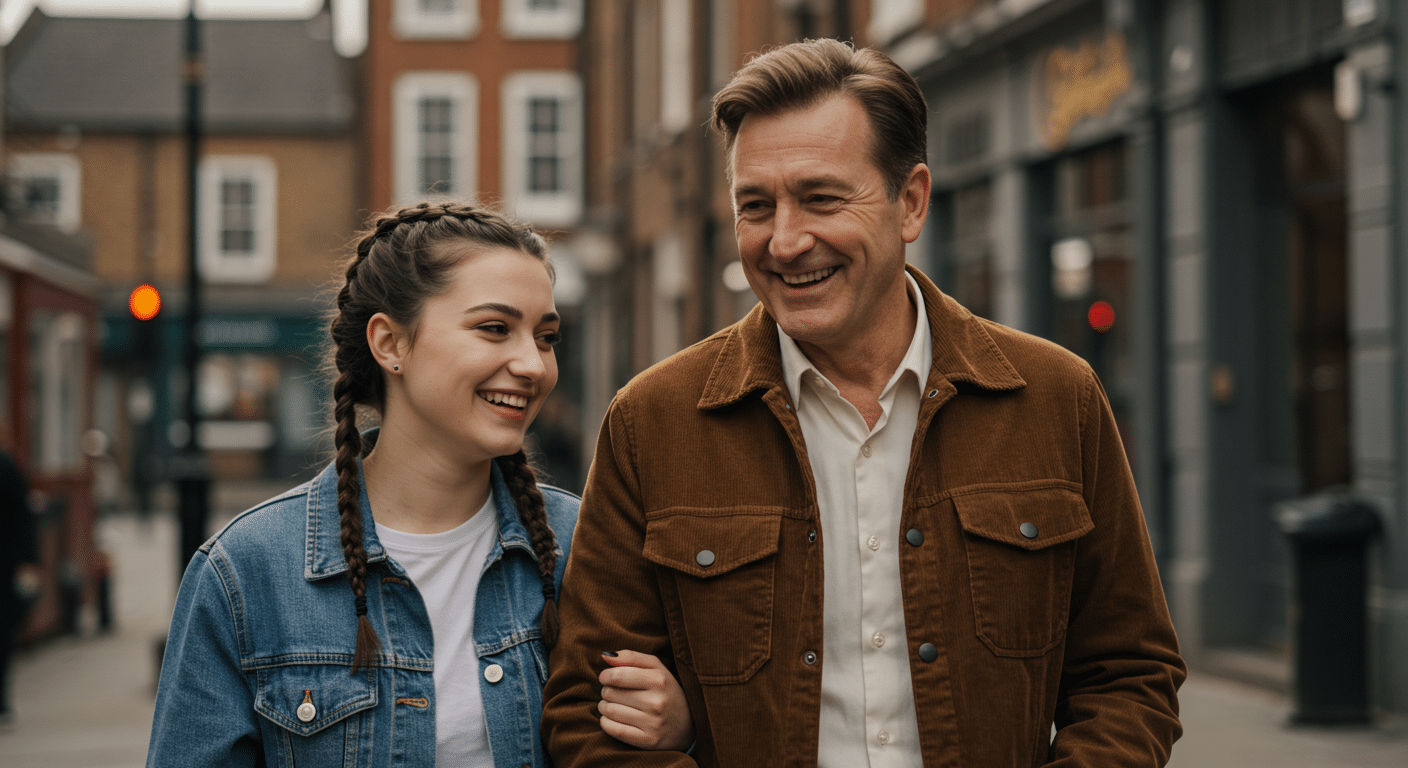
The conversation around Gen Z women dating older men has gained noticeable traction in recent years. While it is not a brand-new dynamic, its presence in mainstream discussion has increased as more people speak openly about their preferences and experiences. In this context, “older” usually refers to partners who are at least five to ten years older, sometimes significantly more, depending on life stage. The trend does not claim that all Gen Z women prefer older men, nor that every age-gap relationship fits the same mold. Instead, it reflects a visible subset of Gen Z dating patterns where compatibility crosses generational lines.

In 2025, this pattern is shaped by social and economic realities that influence dating choices. Cost of living pressures affect career decisions, living arrangements, and long-term planning. Mental health awareness has become a mainstream value, influencing how partners are chosen and how relationships are maintained. Many Gen Z women prioritize emotional safety, consistent communication, and values alignment over purely physical attraction. These factors can sometimes be found more readily in partners who are older and further along in their personal or professional development.

It is important to understand this trend without oversimplifying it. While the internet often reduces the conversation to a stereotype, the real-life stories show a range of experiences, from casual dating to committed long-term partnerships. The reasons behind these connections are often more practical, emotional, and value-driven than many assume.

Core Motivations and Attraction Drivers

Core Motivations and Attraction Drivers

For many Gen Z women dating older men, the appeal often lies in perceived maturity and stability. Older partners may have a clearer sense of self, a more settled lifestyle, and a stronger grasp of communication skills. In a dating environment where ghosting, vague intentions, and inconsistent behavior are common frustrations, this can feel refreshing and secure. The draw is not necessarily about age itself, but about the qualities and habits that often come with life experience.

Emotional availability is another frequently cited factor. Older partners may have had more opportunities to navigate past relationships and learn conflict resolution skills. They may be more open to direct conversations about boundaries, expectations, and long-term goals. For Gen Z women, whose dating culture has been shaped by both rapid digital communication and a focus on mental well-being, this can offer a sense of calm and mutual respect.

Goal alignment plays a big role as well. Many Gen Z women are intentional about their future plans, whether that involves career progression, travel, home ownership, or starting a family. Partnering with someone who has similar priorities, and who is already working toward them, can make the path forward feel clearer. This is not about looking for a financial provider or a caretaker, but rather about finding someone whose stage of life matches their own ambitions and pace.

These motivations are often grounded in practical realities rather than romanticized ideals. The relationships that develop from them tend to thrive when there is mutual respect, shared decision-making, and a balanced power dynamic.

Life Stage and Values Alignment

Life stage compatibility is a significant factor in why some Gen Z women connect with older partners. This generation has faced unique career and economic challenges, which in turn influence the timing of major milestones like marriage, buying a home, or having children. Older partners may already be established in their careers, financially stable, and ready to make clear commitments. For those who want to avoid uncertainty and drawn-out timelines, this alignment can be highly appealing.

Values alignment often goes hand in hand with life stage compatibility. Many Gen Z women prioritize shared beliefs about relationships, family, career balance, and lifestyle choices. Older partners who have spent more time reflecting on these priorities can often articulate their positions more clearly. This can reduce misunderstandings and speed up the process of deciding whether a relationship has long-term potential.

Pacing is another part of the equation. Not all Gen Z women want fast-moving relationships, but many do want clarity about exclusivity and shared goals. Older partners, especially those who have already experienced casual dating phases earlier in life, may be more willing to skip uncertainty and focus on building something intentional.

In these cases, age is less about the number and more about where both people are in their personal and professional lives. When that timing aligns, it can create a foundation for relationships that feel stable and mutually beneficial.

How Matches Happen on Apps and Socials

How Matches Happen on Apps and Socials

In the age of digital-first dating, apps and social platforms play a central role in how Gen Z women dating older men first connect. Dating apps make age preferences easy to set through filters, allowing users to expand or narrow their matches according to their preferences. When a woman selects an older age range, she is often doing so with a clear sense of what she is looking for in terms of maturity, stability, and relationship style.

On platforms like Hinge, Bumble, and Tinder, prompts and profile descriptions help reduce ambiguity. A well-written bio can signal intentions clearly, making it easier to filter out mismatched priorities before even starting a conversation. Voice notes, now available on several apps, add an extra layer of authenticity, allowing tone and personality to come through in a way text cannot.

Social media also plays a role in bridging the gap between strangers and potential partners. Instagram follows can lead to casual interactions through comments or likes, which sometimes evolve into direct messages. Niche communities, from Facebook groups to Discord servers, can create natural meeting grounds based on shared hobbies or professional interests. Creator communities, where people connect over shared content or values, are another space where these matches can form organically.

The key to these connections is clarity. Whether through an app’s built-in features or the subtler signals of social media, both sides benefit from reducing uncertainty early. This allows conversations to move forward with mutual understanding, lowering the risk of mismatched expectations.

Where They Meet Offline

While many connections start online, plenty of Gen Z women dating older men meet in person through everyday life. Workplaces remain a common setting, especially in industries that encourage collaboration across different levels of experience. University campuses can also be a meeting ground, where older graduate students or faculty assistants cross paths with younger students.

Clubs, gyms, and hobby communities offer a more casual environment. Activities like hiking groups, photography classes, or music meetups create opportunities for organic conversation. Volunteering is another avenue, as shared causes bring together people of different ages who already have aligned values.

Friend-of-friend introductions remain one of the most trusted ways to meet. A mutual connection can vouch for a person’s character and intentions, helping to reduce uncertainty before the first date. These offline settings often allow for gradual familiarity before anything romantic develops, which can feel safer and more authentic.

Power Dynamics, Consent, and Boundaries

Power Dynamics, Consent, and Boundaries

One of the most important parts of any age-gap relationship is addressing potential power imbalances. Differences in age, financial stability, or career status can create unspoken dynamics that need to be acknowledged and managed.

Healthy relationships between Gen Z women and older men require open conversations about consent, autonomy, and decision-making. Both partners need to feel free to set boundaries without fear of judgment or retaliation. This can involve being explicit about expectations for time spent together, financial contributions, and personal space.

Scripts for these conversations might include phrases that make it easier to speak up, such as

“I am comfortable with this pace” or “I need some time before making that decision.”

These simple statements can help ensure that both partners stay aligned and feel equally empowered in the relationship.

Gen Z Women Dating Older Men Myths and Realities

Online discourse often oversimplifies the topic, painting all age-gap relationships with the same brush. A common myth is that these relationships are always transactional or that the younger partner is motivated purely by financial gain. In reality, many Gen Z women are financially independent and value emotional stability more than material benefits.

Another stereotype is that the older man holds all the control. While some relationships do fall into unhealthy patterns, many are built on mutual respect, equal decision-making, and shared values. Reducing these connections to a single narrative ignores the variety of experiences that exist.

The reality is that healthy relationships across age differences are possible when both partners approach them with honesty, transparency, and emotional maturity. They can be as fulfilling and balanced as any other pairing when both people commit to equality and mutual respect.

Challenges to Navigate

Challenges to Navigate

Despite the positives, Gen Z women dating older men can face unique challenges. Cultural differences often emerge, from music and movie preferences to humor and slang. These differences are not necessarily deal-breakers, but they require flexibility and curiosity.

Social circles can also react differently. Friends or family may have preconceived ideas about age-gap relationships, which can create tension. Partners need to be prepared for those reactions and decide how much outside opinions will influence their relationship.

Lifestyle rhythms can present another hurdle. Differences in work schedules, energy levels, and financial priorities may take adjustment. Navigating these challenges successfully requires strong communication and a willingness to adapt.

Communication Playbook for Age-Gap Dating

Strong communication is the foundation for any relationship, but it is especially critical in age-gap dynamics. In the first month, it helps to set clear expectations about how often to see each other, what kind of public visibility is comfortable, and how to handle introductions to friends or family.

Privacy norms also matter. Some Gen Z women are cautious about posting their relationships on social media too early. A soft launch, such as sharing photos without tagging or revealing faces, can give both partners space to settle into the relationship before making it public.

When discussing exclusivity or future plans, it is important to avoid rushing. Even if life stages are aligned, allowing the relationship to evolve at a comfortable pace helps ensure that decisions are made with clarity rather than pressure.

Safety, Privacy, and Reputation Management

Safety, Privacy, and Reputation Management

Safety remains a priority, whether the relationship begins online or offline. Vetting can include searching for public information, confirming identities, and arranging the first meeting in a public place.

In the digital age, screenshot culture is a consideration. Private conversations can easily be shared without consent, which makes trust and discretion essential. Partners need to feel confident that their personal information and interactions will be respected.

Financial boundaries should also be addressed early. Clear agreements about spending, gifts, and shared expenses help avoid misunderstandings and ensure that neither partner feels indebted or taken advantage of.

Green Flags and Red Flags

Healthy relationships between Gen Z women and older men often show certain green flags. These include respect for boundaries, mutual effort in communication, and an interest in learning from each other’s perspectives. Both partners should feel that the relationship adds value to their lives without causing stress or insecurity.

Red flags can include controlling behavior, secrecy, or excessive criticism. Love bombing, where one partner showers the other with attention early on only to withdraw later, is another warning sign. Recognizing these patterns early allows for informed decisions about whether to continue the relationship.

Why Are Gen Z Women Dating Older Men:Outlook for 2025 and Beyond

Why Are Gen Z Women Dating Older MenOutlook for 2025 and Beyond

The trend of Gen Z women dating older men is likely to remain visible, though its expression may evolve. As dating culture continues to emphasize values alignment, intentional connections, and mental well-being, the appeal of partners who embody those traits will remain strong, regardless of age.

Event-led meetups and community-focused spaces are expected to grow, providing more organic ways for people with different life experiences to meet. With greater awareness around consent, communication, and healthy boundaries, the stigma that sometimes surrounds age-gap relationships may continue to decline.

At its best, this trend reflects a shift toward more thoughtful and intentional dating. When built on mutual respect and shared values, these relationships can offer depth, stability, and genuine connection.


Gen Z Dating Apps and Where They Meet

Gen Z Dating Apps

The Gen Z dating app scene is defined by a generation that balances curiosity with caution. Younger users grew up with constant online connection, but they also witnessed the downsides of performative profiles, endless swiping, and ghosting culture. These experiences have made them more intentional about how they use dating platforms, and the way they approach Gen Z dating apps reflects a desire for more meaningful interaction.

For many, the goal is no longer to collect as many matches as possible. Instead, there is a stronger focus on authenticity, safety, and low-pressure connections. The most appealing spaces are those that allow personality to shine without forcing a rigid dating script.

Safety remains a top priority. Users want clear verification tools, easy access to block and report features, and options for shared safety measures such as location sharing with friends before meeting. Mental health awareness also plays a role, with more people limiting the time they spend swiping to avoid burnout.

A successful Gen Z dating app experience is one where discovery feels natural, conversations flow with ease, and matches are built on compatibility rather than pure convenience.

App Landscape: Who Uses What and Why

App Landscape Who Uses What and Why

Each dating app appeals to a different segment of the Gen Z audience, offering its own mix of tools and communities. Tinder is still widely used for quick and broad match potential, but it has shifted toward being a casual way to explore local connections rather than the primary route to long-term relationships.

Hinge attracts those seeking a mix of intention and personality. Its prompts, profile depth, and voice note features make it ideal for people who enjoy creative conversation starters. Bumble remains popular for its woman-first approach and for its friend and business networking modes.

Niche platforms fill important roles. Feeld caters to open and nontraditional relationship structures. Grindr and HER create LGBTQ+ focused spaces where shared identity is at the core of the experience. Across all platforms, Gen Z users respond best to apps that enforce safety policies, celebrate identity, and offer tools for genuine connection.
The most successful apps adapt to evolving communication styles. Prompts, voice messages, and short video clips are becoming just as important as text profiles, and platforms that integrate these features seamlessly keep users engaged longer.

Why App Fatigue Is Rising

Even with a variety of platforms to choose from, many people are feeling dating app fatigue. Endless scrolling creates choice overload, making it harder to commit to one match. Conversations often fizzle before a meeting, leaving users drained instead of excited. Ghosting remains a common issue, which can reduce trust and willingness to invest time.

The fatigue is both emotional and practical. Building a profile, starting conversations, and managing multiple matches can feel like work without much reward. Some users are responding by taking breaks from apps entirely or using fewer apps more strategically.

To address this, platforms are introducing new features. Verification systems reduce fake accounts, anti-spam tools limit mass messaging, and interest-based matching encourages more intentional connections. These changes are aimed at making the dating process feel more meaningful and less like a chore.

Social Platforms as Dating Funnels

Social Platforms as Dating Funnels

Dating is no longer limited to dedicated apps. Many connections now start on mainstream social media, where friendship, shared interests, and flirting can blend naturally.

Instagram is one of the main crossover spaces. A simple follow might lead to story replies, which can gradually develop into private conversations. TikTok adds a different dimension, where people discover each other through shared humor, trending sounds, or niche content communities.

Platforms like Discord and Geneva, while not traditional dating apps, have become spaces where relationships can form. Group chats for hobbies, activism, or study sessions provide a relaxed backdrop for connections. This indirect approach often feels more comfortable and authentic, giving users a better sense of personality before any direct romantic interest is expressed.

IRL Is Back: Events and Micro-Communities

Face-to-face interaction is making a strong return. Many people want to experience chemistry in person rather than relying solely on online impressions. Structured events like singles nights and speed dating sessions have regained popularity among those who want to bypass weeks of text exchanges.

Micro-communities are also thriving. Hobby-based meetups such as running clubs, art workshops, and board game nights offer a natural setting to meet new people. These spaces remove the pressure of a one-on-one date and allow attraction to grow organically.

For Gen Z, this shift fits the preference for authentic connection. Meeting through shared activities makes conversation easier and creates an immediate common ground. Local businesses and community spaces have embraced this trend, hosting events that encourage both socializing and potential romantic sparks.

Where They Actually Meet Offline

Where They Actually Meet Offline

While dating apps and social platforms play a major role in sparking interest, many relationships start in familiar, real-world settings. Campus life remains a natural meeting ground, with group projects, clubs, and social events providing consistent opportunities for casual interactions.

Workplaces can also be a source of connections, though younger professionals tend to be more cautious about mixing work and romance. Cafes, concerts, and community events are popular because they create organic moments to start a conversation without the intensity of a formal date.

Shared-interest spaces are some of the most effective meeting points. Local running clubs, volunteer groups, and book clubs create a built-in conversation starter and reduce the awkwardness of first meetings. For many, meeting in these environments offers a sense of comfort and authenticity that purely digital introductions cannot always provide.

Safety and Vetting in 2025

Safety is at the forefront of modern dating habits. Gen Z users tend to approach first meetings with built-in protective steps, such as arranging to meet in public spaces, informing a friend of the details, or sharing live location during the date.

In the digital space, friend filters and group-chat approvals are becoming more common. Before meeting, some people introduce matches to a mutual friend through a group chat as a soft vetting process. Social media can act as an additional layer of confirmation, with a quick check of profiles helping verify identity and lifestyle.

Apps themselves have improved safety features. Video chat within the platform before meeting, identity verification badges, and quick-access emergency buttons give users more confidence in their interactions. This combination of tech tools and personal safety habits allows Gen Z daters to maintain boundaries while still engaging openly.

Match-to-Meet Playbook

Match-to-Meet Playbook

Moving from a match to an actual meeting is often a gradual process. Many start with short in-app conversations, then shift to direct messaging on another platform for a more relaxed exchange. A quick voice note can help establish tone and personality before setting up an in-person plan.

Timing is important. Waiting too long can cause momentum to fade, but rushing into a meeting can feel forced. For most, one to two weeks of light conversation and casual sharing works well. Low-pressure plans like grabbing coffee, visiting a market, or attending a casual event together help keep the focus on comfort and natural chemistry.

Consent-forward language is essential. Asking if the other person is ready to meet, offering flexible scheduling, and making sure the venue feels safe to both parties ensures the first meet is positive. The goal is to make the step from online to offline smooth, comfortable, and free of unnecessary pressure.

Future of Gen Z Dating Apps

Future of Gen Z Dating

The dating landscape is shifting away from passive swiping toward more intentional and community-driven discovery. Event-led matchmaking is likely to expand, combining the convenience of digital tools with the authenticity of in-person interactions.

Artificial intelligence is already playing a role in moderation and compatibility matching, making it easier to connect with people who share similar values and lifestyles. Smaller community apps and hybrid platforms that blend friendship and dating are expected to grow, especially among users who want connections to develop within trusted social circles.

The future will still involve apps, but the focus will continue moving toward spaces that feel personal, safe, and engaging. For Gen Z, the priority is not just finding a match, but finding one that aligns with their sense of identity, comfort, and authenticity.

Gen Z Dating Slang and Modern Romance Trends

Gen Z Dating Slang

Every generation develops its own way of talking about love, but Gen Z has created one of the most fast-moving and creative dating languages yet. Their vocabulary blends internet culture, memes, and shared online experiences with the subtleties of real-world romance. The words they use are short, catchy, and often layered with humor or irony. A single term can convey interest, hesitation, or humor all at once.

Social media is the main driver behind this language. TikTok skits, Instagram captions, and group chats often launch new phrases that can go viral in hours. Many of these words start in niche communities such as LGBTQ+ spaces, fandom circles, or gaming groups. Over time, they cross into mainstream dating talk, sometimes picking up new meanings along the way.

Understanding Gen Z dating slang matters because it functions as shorthand for complex feelings or situations. If you do not know what a term means, you could misread someone’s intentions. A single phrase can signal if a person is looking for commitment, testing the waters, or keeping things casual. Fluency in these terms is almost as useful as reading tone, body language, and subtle cues like the Gen Z stare.

Top Gen Z Dating Slang You Need to Know

Top Gen Z Dating Slang You Need to Know

Here are some of the most common dating slang terms you will hear in 2025 and what they mean.

  • Breadcrumbing – Giving someone small bursts of attention without any plan to commit. This can include liking their social media posts, replying to a story once in a while, or sending a casual text but never making real plans.
    Example: “He texts me every few weeks but never asks me to hang out. That is breadcrumbing.”
  • Situationship – A romantic or sexual connection without a clear label. It feels like a relationship in some ways, but there is no official commitment.
    Example: “We spend a lot of time together, but we are not exclusive. It is just a situationship.”
  • Benching – Keeping someone as a backup option while pursuing others. It is more intentional than breadcrumbing and usually involves just enough contact to keep the other person interested.
    Example: “She checks in now and then, but never actually sets up a date. I think I am being benched.”
  • Rizz – Short for charisma. This describes someone’s ability to charm or flirt in a smooth way.
    Example: “He has so much rizz. Everyone seems drawn to him.”
  • Gyatt – An expression of admiration for someone’s appearance. Often used in a playful or excited tone.
    Example: “Gyatt, you look amazing tonight.”

The meaning of these terms can shift between online and offline use. For example, “rizz” in a group chat might be used jokingly, but in person it could be a genuine compliment. “Breadcrumbing” on social media might mean irregular likes or comments, while offline it could mean occasional casual meetups with no follow-up.

Slang That Shapes Relationship Stages

Gen Z uses slang to map out different phases of dating. These words often help set expectations without long explanations.

  1. Hard launch – A clear, public reveal of a relationship, usually with a photo of both partners or a direct statement.
    Example: “They posted a couple photo with the caption ‘My person.’ That is a hard launch.”
  2. Soft launch – A subtle reveal that hints at a relationship without showing the other person directly. This might be a photo of two drinks, a shared sunset, or a cropped image that suggests another person is there.
    Example: “She posted a picture from dinner with a mystery hand in the corner. Soft launch.”
  3. Talking stage – The period of getting to know someone before there is any official label. It often involves texting, calling, and casual meetups.
    Example: “We are in the talking stage. Just getting to know each other right now.”
  4. Slow burn – A connection that develops gradually, often starting as friendship or casual contact before becoming romantic.
    Example: “We started as classmates, then friends, and now we are dating. Total slow burn.”

These phrases influence how people approach the relationship. A “talking stage” implies no exclusivity yet, while a “slow burn” suggests patience is needed. A “soft launch” may mean privacy is important, and a “hard launch” signals a more official status.

Social Media’s Influence on Romance Trends

Social Media’s Influence on Romance Trends

Social media does more than spread slang. It shapes how relationships are presented and perceived. TikTok is a major source of new dating terms thanks to short, relatable videos that turn everyday experiences into viral content. Instagram fuels visual relationship trends like the soft launch and hard launch, making them part of how people define relationship milestones. Snapchat keeps casual, ongoing interaction alive with streaks, quick snaps, and low-effort updates.

These platforms also speed up how fast slang evolves. A new phrase can go viral on a Monday and be part of mainstream dating talk by Friday. Because people remix and adapt trends instantly, the meaning of a word can change depending on the friend group or online space using it.

Viral dating stories play a role in shaping attitudes too. Stories about awkward first dates, surprise proposals, or unexpected breakups spread quickly and influence how people think about romance. These short, shareable narratives often reinforce the slang terms that describe them.

How Gen Z Flirts Using Slang

Slang is not just a way to describe relationships. For Gen Z, it is a tool for flirting. Playful teasing often involves tossing around terms like “rizz” or “gyatt” in a joking way. Complimenting someone’s “rizz” might be half a joke, half a genuine acknowledgment of their charm.

Memes tied to dating slang are another popular flirting method. Sending someone a meme that references a trending dating term can signal shared humor and cultural awareness. Niche internet references make the interaction feel personalized, especially if they relate to a mutual interest.

Slang is often combined with emojis, GIFs, and reaction images to make the meaning clearer. A single word can be playful or serious depending on the visual cues that go with it. For example, a “rizz” comment with a winking emoji reads very differently than one with a straight-faced reaction image. This layering of text and visuals is a signature part of Gen Z’s flirting style.

Modern Romance Trends Beyond Slang

Modern Romance Trends Beyond Slang

Slang may be one of the most visible parts of Gen Z dating culture, but it is not the whole story. Many trends shaping modern romance in 2025 have more to do with values and lifestyle than vocabulary. One of the most noticeable shifts is the rise of sober and damp dating. On early dates, many people now choose to limit or completely avoid alcohol. This allows them to stay clear-headed, read each other’s signals accurately, and build a connection based on genuine conversation.

There is also a strong preference for low-pressure first meets. Instead of going straight into a formal dinner or expensive activity, a coffee walk, a bookstore browse, or a shared hobby session is often the preferred choice. These environments create a relaxed atmosphere where both people can be themselves without the pressure of dressing up or performing for each other.

Digital body language has also become a recognized part of the dating process. The way someone uses emojis, their timing when replying, and how often they interact with your posts can give as much insight as in-person cues. Gen Z dating blends online and offline behavior in a way that makes both equally important to understanding interest.

Slang That Signals Red Flags

Just as slang can describe positive attraction, it can also warn about unhealthy patterns. Recognizing these terms can help daters spot trouble before it becomes serious.

Love bombing – Overwhelming someone with gifts, compliments, and attention in the early stages to create a fast bond. Often this intensity drops off once the person feels they have secured your interest.
Example: “He sent me flowers, expensive dinners, and daily good morning texts in the first week. Total love bombing.”

Ghosting – Ending all communication without explanation, leaving the other person with no closure.
Example: “We had three great dates and then she ghosted me. No reply, no reason.”

Orbiting – Maintaining a passive presence in someone’s online life by liking posts or viewing stories without engaging directly.
Example: “He never texts me back but still views every story I post. That is orbiting.”

These behaviors are now widely discussed, and many in Gen Z set clear boundaries around them. If someone starts breadcrumbing, orbiting, or ghosting, the common advice is to disengage and invest energy elsewhere.

Inclusivity and Identity in Gen Z Romance

Inclusivity and Identity in Gen Z Romance

Gen Z is one of the most diverse and identity-conscious generations. Their dating culture reflects this through both language and behavior. Many people use gender-neutral terms such as partner or significant other, especially early in dating, to avoid making assumptions.

Some popular slang terms in today’s dating scene originated in LGBTQ+ spaces before becoming mainstream. Examples include hard launch, soft launch, and slow burn. Recognizing these roots helps preserve the context and shows respect for the communities that created them.

Pronoun awareness is another central part of Gen Z dating etiquette. Sharing pronouns early and using them correctly is a basic sign of respect. Misgendering or ignoring pronouns is often a dealbreaker. Inclusivity is not treated as optional, but as a standard for healthy and respectful romantic connections.

Future of Gen Z Dating Slang

Future of Gen Z Dating Slang

The slang Gen Z uses today will not stay the same forever. As technology changes, new words will emerge to describe new experiences. Artificial intelligence, virtual reality, and metaverse-style dating platforms are likely to bring a fresh set of terms into the dating vocabulary. People may soon be talking about AI-assisted flirting or avatar-based relationships with the same casual tone they now use for terms like situationship.

Short-form video platforms will continue to be the main engines for new slang. TikTok, Instagram Reels, and future social apps will spread phrases at lightning speed. Some words will burn bright and fade quickly, while others will stick around and become part of the long-term dating lexicon.

One thing will remain constant. Slang will continue to shape how Gen Z talks about love and attraction. It will serve as a cultural fingerprint, reflecting how this generation experiences connection in a fast changing world. For anyone navigating modern romance, understanding this evolving language is not just a trend. It is an essential part of understanding the relationships themselves.

The Gen Z Stare Is the New Flirt

Gen Z Stare

The Gen Z stare is a modern style of flirting that relies on small, intentional details. It is a look made up of a neutral facial expression, soft eyes, and a brief hold of eye contact. It is subtle and controlled, designed to create a sense of connection without making the other person feel trapped or pressured.

Unlike a glare, which feels sharp and confrontational, or a blank deadpan that comes across as distant, the Gen Z stare has a warm undertone. The eyebrows stay relaxed, the eyes hold gentle focus, and the overall vibe is calm. Even without a smile, it feels open.

This style of flirting works because it offers a choice. The other person can respond or look away without awkwardness. It respects boundaries while still signaling interest. In a generation that values consent and authenticity, this makes it both appealing and safe.

The look is also highly adaptable. It can happen in passing between two strangers or in a longer interaction between people who already know each other. It requires no props, no rehearsed lines, and no big performance. Just attention, intention, and a moment of presence.

What Really is The Gen Z Stare and Why It Works

What Really is The Gen Z Stare and Why It Works

Eye contact is one of the oldest nonverbal tools for human connection. Even a short moment of mutual gaze can trigger small chemical responses in the brain linked to trust and attraction. The Gen Z stare uses this natural reaction in a minimal, low pressure way.

It is high signal but low effort. There is no need to walk across the room or interrupt someone’s conversation. You simply give a moment of attention and see if it is returned. If the other person looks back and holds your gaze, you have opened the door to interaction. If they look away and do not return, you can easily move on without losing face.

This fits well with Gen Z dating values. They avoid approaches that feel forced or fake. They want connections that grow naturally. The stare gives them a way to test mutual interest without breaking the flow of the moment.

It also works in a variety of settings. In a noisy place like a concert, it can be the only form of communication that works. In a quiet library or coffee shop, it can be a soft signal that invites a conversation later. The flexibility is part of its power.

Where It Shows Up

The Gen Z stare is most effective in places where eye contact is part of the environment. On a college campus, it might happen across a study table or in the hallway between classes. In a cafe, it could occur while waiting for drinks at the counter. At a concert or a hobby group, it may happen during a pause in the activity or between songs.

There is also a clear online version. Looking directly into the front camera on a video or livestream can mimic real eye contact. Paired with a short caption, a subtle smile, or even a neutral face, it can create the same feeling as the in person stare. TikTok trends and Instagram Reels often use this technique, sometimes turning it into a playful challenge or meme.

The moments that invite this type of glance are usually unforced. Passing each other in a hallway, making brief eye contact while someone walks into the room, or catching eyes in a shared public space all offer natural opportunities. Online, it might happen during a video call when one person pauses before speaking or when someone posts a photo that feels like direct eye contact.

The key is that it never feels staged. It blends into the rhythm of the space and the interaction.

Anatomy of the Look

Anatomy of the Look

Several small details combine to make the Gen Z stare effective. The most important are the eyes, the mouth, the posture, the distance, and the duration.

The eyes should be relaxed and steady. Avoid narrowing them too much, as that can look tense or unfriendly. Keep them open enough to look attentive without seeming intense. A slow blink before or after the look can soften the effect.

The mouth can be neutral or carry the smallest hint of a smile. Too much smile can feel overly eager. Too little expression can feel flat. The goal is balance. Keep the lips relaxed, allowing for a trace of warmth without exaggeration.

Posture should be open and natural. Shoulders stay loose, arms are not tightly crossed, and the body faces the person without leaning in too aggressively. Small adjustments, like angling slightly toward them, can make the look feel more personal.

Distance is determined by the setting. In public, a few feet is enough to feel connected without invading personal space. In closer settings with someone you know, it may be comfortable to be nearer.

Duration is crucial. One to three seconds is enough for the signal to register. Anything shorter may go unnoticed, and anything longer can feel intrusive. Adding small variations can change the tone. A half smile makes it warmer. Glancing away and then looking back adds a playful rhythm. Each variation slightly changes the meaning and can make the interaction feel unique.

Do It Right

The Gen Z stare works best when it feels natural and respectful. The process is simple but benefits from a little thought. First, notice the other person and wait for a moment when they are not busy or deep in conversation. Second, meet their eyes with a calm and relaxed expression. Hold the look for one to three seconds, then release it by looking away.

Timing matters. If you catch their eye in passing, let the look happen in motion. If you are in the same space for longer, wait for small pauses in the environment such as between songs at a concert or while a barista is preparing your drinks. This keeps the moment from feeling unforced and aligns with a more subtle love language that values comfort over intensity.

Body language is important. Keep your shoulders loose and your stance open. Avoid leaning too far forward or making sudden movements that might startle them. A small tilt of the head or a relaxed shift in posture can make the interaction feel more comfortable.

Read the Room

Read the Room

Eye contact is powerful, but context determines how it will be received. In quiet spaces like libraries, study rooms, or cafes, a softer and shorter stare works best. In more energetic environments such as concerts, clubs, or outdoor festivals, a slightly longer look may be fine.

Green lights include the other person returning the gaze, smiling, or subtly adjusting their posture toward you. Red lights include them quickly breaking eye contact without looking back, crossing their arms, or turning away. These cues help you know when to engage and when to let the moment pass.

It is also important to consider power dynamics. If you are in a situation where the other person cannot easily leave or might feel observed without choice, it is better to skip the stare. Comfort varies by culture and by individual. In some cultures, prolonged eye contact is considered intimate, while in others it can feel confrontational. Neurodiverse individuals may also have different comfort levels with eye contact, so sensitivity matters.

From Look to Chat

If the look is returned and you sense a positive signal, the next step is a small, low pressure opener. In person, this might be a casual comment about the setting, like

“This playlist is great” or “That drink looks good, is it worth trying?”

The idea is to keep it light and easy to respond to.

If you have met eyes with someone you already follow online, you can transition to a message. Send a meme related to the moment you shared or reply to their story with a short, genuine comment. A simple “Saw you at the show earlier, hope you had fun” can bridge the gap.

The goal is to keep the tone in line with the look. If the eye contact was playful, the opener should be too. If it was softer and more curious, the opener can be warm and thoughtful.

Gen Z Stare Playbook

Gen Z Stare Playbook

Three in person micro scripts could be:

  1. In a coffee shop: hold the look while they glance up from their drink, smile slightly, then say “Hey, I think we were both here last week.”
  2. At a concert: catch their eye between songs, nod toward the stage, and say “This band is killing it tonight.”
  3. At a hobby group: hold the look while sharing an activity, then ask “Have you been coming here long?”

Three DM openers could be:

  1. “Was that you at the open mic last night?”
  2. “Okay, I think we made accidental eye contact three times today.”
  3. “You looked like you were having the best time at that event.”

Quick fixes for making the look more effective include adjusting your posture so you appear open, finding an angle where you can see their eyes clearly, using good lighting if online, and making sure basic grooming and hygiene are on point. To keep momentum without overpushing, follow up after the first interaction but space it naturally so it feels like an ongoing connection rather than constant pursuit.

Boundaries and Ick-Proofing

Boundaries and Ick-Proofing

Even a subtle stare can cross into uncomfortable territory if done without awareness. Common mistakes include holding it for too long, standing too close, or blocking the other person’s path. These behaviors can feel intrusive instead of inviting.

Consent is essential in both public and online settings. If you are recording or streaming and making eye contact with the camera, avoid singling out individuals in a way that could make them feel exposed. In person, keep public staring casual and avoid repeating it too many times in quick succession.

Privacy and safety come first. Have a mental checklist for when to stop. If the other person looks uncomfortable, does not return your gaze, or signals disinterest, disengage immediately. If you ever feel unsure about the setting, wait for a better time. And if you receive unwanted attention yourself, remember that you can pause the interaction, walk away, or block someone online. The best flirtation is mutual, light, and leaves both people feeling good.

What Is the Love Language of Gen Z

Love Language of Gen Z

In 2025, the love language of Gen Z reflects a generation that is digital first, values led, and shaped by constant social change. This is the first group to grow up with smartphones in their hands from an early age, making online communication second nature. Relationships often begin in comments, likes, and DMs before they move into in person conversations.

Cost of living pressures have shifted Gen Z dating culture toward low cost but high meaning experiences. Mental health awareness has made emotional safety and mutual respect top priorities. Instead of chasing big romantic displays, many prefer steady, thoughtful actions that fit within their personal bandwidth.

The five classic love languages still matter, but Gen Z interprets them through a modern lens. Words of affirmation might come as a voice note rather than a handwritten letter. Acts of service can be as small as sending a link to a resource or planning the quickest route to a meetup. The key theme is consent led care, where love is expressed in ways that feel natural, safe, and inclusive.

The Classic Five, Remixed for a Digital Life

The Classic Five, Remixed for a Digital Life

The traditional five love languages are still at the core, but Gen Z delivers them through digital cues and micro gestures that suit their lifestyles.

Words of affirmation are often shared through thoughtful texts, specific DMs, or supportive comments on a post. A well timed voice note with genuine encouragement can carry more weight than a long in person speech.

Acts of service happen in small but meaningful ways. This might be sending useful information, helping with a quick task, or making a plan so the other person can relax. Even something like ordering their favorite snack for delivery can count.

Receiving gifts is less about price and more about thoughtfulness. It could be a handmade card, a curated playlist, or even an in game gift that matches a shared hobby. The intention matters more than the expense.

Quality time often includes co watching shows online, co playing games, or having study dates. Parallel time, where both do their own thing while connected on a call, is a modern twist that works for many.

Physical touch remains important but is shaped by consent culture. Comfort levels are respected, and there is an awareness of when public or private touch feels appropriate. Context is everything, and conversations about boundaries happen early.

The Sixth Signal: Digital Body Language

Beyond the five classics, Gen Z is fluent in reading and sending signals through online behavior. Digital body language is about the subtle cues that show interest and care without using explicit words.

Timing matters. A steady cadence of replies shows interest, while breadcrumbing or large gaps can signal low investment. The length of a message, the choice of punctuation, and the use of emojis can all change the tone.

Green signals include clear responses, follow up questions, and consistent engagement. Red signals might be vague replies, sudden silence, or mixed messages that create uncertainty. Gen Z has become adept at spotting these patterns quickly and adjusting their own effort accordingly.

Micro Gestures That Feel Big

Micro Gestures That Feel Big

In a fast moving world, small actions can have a large emotional impact. Gen Z places high value on micro gestures that show someone is thinking about them.

Memes are one of the most common ways to flirt or maintain a bond. Sharing an inside joke or creating a custom meme can turn an ordinary day into a connection point. Collaborative playlists are another favorite, letting both people add songs that reflect their mood or relationship stage.

Photo dumps, shared albums, or even sending a quick candid picture from daily life can strengthen intimacy. Small rituals also matter, like sending a good morning note, checking in to make sure the other person got home safely, or dropping a quick “thinking of you” message. These little moments create a steady thread of care without overwhelming the other person.

Voice and Video as Chemistry Checks

Hearing someone’s voice or seeing their expressions adds an extra layer to digital intimacy. Short voice notes can cut through the uncertainty of text, offering tone, humor, and emotion in a way that words alone cannot.

Best practices keep this form of connection comfortable. Keep the message short and natural, ideally under a minute for a voice note and just a few seconds for a quick video clip. Choose a time of day when the other person is likely to be relaxed and receptive. Always check if they are comfortable receiving a voice or video before sending.

These tools help build trust faster, showing that there is a real person behind the messages. They also make it easier to read sincerity and establish whether the spark can carry over into real life.

Authenticity, Consent, and Boundaries as Love Language

Authenticity, Consent, and Boundaries as Love Language

For Gen Z, authenticity is not just a nice quality, it is a requirement. They have grown up surrounded by filters, curated profiles, and online performance, so they value signals that feel real. This can be as simple as admitting when you are having a bad day or showing genuine excitement over something small.

Consent culture is central to their version of romance. Asking before calling, checking before posting a shared photo, and respecting pronouns and chosen names are all standard. Interest is expressed clearly but without pressure. People are encouraged to opt in rather than feel obligated.

Boundaries are seen as healthy, not restrictive. Whether it is limiting screen time, scheduling personal recharge days, or setting expectations for communication frequency, these boundaries help both people feel secure. Slow pacing is respected, and there is no rush to escalate just for the sake of moving forward.

Sober and Slow as Care

Many Gen Z daters are embracing dry or damp dating, especially in the early stages. By meeting during the day for coffee, a short walk, or a shared hobby, they create space for authentic conversation without alcohol influencing the mood.

This slower approach builds trust over time. Instead of trying to decide compatibility in a single evening, couples can see how their connection holds up in different situations. The slow burn feels safer and more genuine, giving both people room to be themselves.

Low pressure activities also encourage more creativity in date planning. It could be browsing a flea market, attending a community event, or trying a new recipe together at home.

Community Energy: Fandoms, Clubs, and Cause Based Bonding

Community Energy Fandoms, Clubs, and Cause Based Bonding

Gen Z is highly community oriented, often finding connection through shared passions. A love of a certain band, game, or book series can be the spark for deeper attraction. Being in the same fandom means there is always something to talk about and new content to share.

Offline communities also play a role. Run clubs, book clubs, and volunteering groups offer ways to meet potential partners naturally. Shared activities help break down awkwardness and create memories without the formal structure of a typical date.

Cause based bonding is also common. Joining a climate action group, an animal rescue team, or a social justice campaign can bring like minded people together, building trust through shared values.

Inclusion and Neurodiversity Aware Affection

Gen Z is more open about neurodiversity than any previous generation. This shapes how they give and receive affection. Clear communication styles are valued, and sensory considerations are respected. Someone might choose a quiet coffee shop over a loud bar because it is more comfortable for their partner.

Social pacing is flexible. For some, a text first, then a call, then an in person meet sequence works best. Others may prefer quick face to face meetings. The point is to adapt rather than impose a one size fits all approach.

Being inclusive also means honoring differences without making them the entire focus. Affection can be shown in ways that fit each person’s comfort zone.

Cross Cultural and Long Distance Norms

Cross Cultural and Long Distance Norms

Global connectivity means more Gen Z couples are navigating cross cultural and long distance relationships. Time zones and different holiday calendars require flexibility. Scheduling regular calls or video chats becomes a key love language.

Gifts might be timed to match the recipient’s special occasions rather than the sender’s. Cultural traditions are respected, and in some cases, families are part of the bonding process from early on.

These relationships often rely heavily on consistency. Even small check ins can carry weight when physical distance is a factor.

Spot Your Match: How to Find Your Top Love Languages

Self awareness is important in any relationship, and knowing your love language can help you connect more effectively. Gen Z often uses quick self check prompts to identify what matters most to them.

Instead of relying on one grand gesture, they look at weekly patterns. Do they light up more when receiving encouraging words or when someone plans a thoughtful activity? Do they feel closer after spending quality time or after a small but meaningful gift?

Mini quizzes and journaling can help clarify these preferences. Once identified, they can guide both partners in giving and receiving affection.

How to Speak Their Language: A Simple Playbook

How to Speak Their Language A Simple Playbook

Once you know a person’s preferred love language, it is easier to connect in ways that matter. Mirroring their preferred channel and pace is the first step. If they like short texts during the day, match that instead of sending long paragraphs.

Aim to send one specific signal of care each week. This can be a small act, a message, or a shared activity. Naming your own needs kindly and asking what works for them keeps communication healthy and avoids misunderstandings.

This approach turns affection into an ongoing exchange instead of a random surprise.

Common Pitfalls to Avoid

Gen Z is quick to spot patterns that feel off. Ghosting is a clear deal breaker, as is breadcrumbing where someone sends occasional messages without genuine effort to meet. Vague plans that never materialize are another frustration.

Over posting private moments without consent can damage trust. Love bombing, or overwhelming someone with affection early on, is often seen as manipulative. Even humor can become a problem if it leans too heavily on irony or tests loyalty instead of building connection.

Avoiding these pitfalls is as much about self awareness as it is about courtesy.

Love Language of Gen Z: What Stays Human in a Tech Heavy World

Future Outlook What Stays Human in a Tech Heavy World

Even with AI helpers, filters, and advanced communication tools, the heart of romance remains human. Gen Z knows that presence, patience, and honesty are the real foundation of lasting connection.

While technology will continue to play a role, it is the small, steady, and consent-led signals that matter most. Whether sent through a screen or shared face to face, these gestures build trust over time.

In the end, the love language of Gen Z is about consistency, respect, and genuine care. It is not something shown only once in a while, but something woven into daily life.

How Gen Z Flirts and Communicates in 2025

How Gen Z Flirts

By 2025, dating for Gen Z is a blend of modern tools and old-fashioned instincts. While they use the latest apps, filters, and features, the desire for a genuine connection has grown stronger. This generation has lived through the peak of instant swipes, endless matches, and algorithm-driven interactions. They now understand that speed and convenience do not always equal compatibility.

At the same time, they have become skilled at sending subtle signals of interest. A quick reaction to a post, a meme shared at the right moment, or a casual playlist link can feel more personal than a direct confession. These micro-gestures form a kind of love language that reflects their balance of playfulness and sincerity. Each small interaction acts as a safe step toward deeper connection without overwhelming either person.

The overall tone is warm but measured. Gen Z is open to romance, but they protect their time and energy. They want meaningful exchanges but prefer to test the waters first with playful interactions. This balance of caution and curiosity captures how Gen Z flirts in the modern dating landscape. In many ways, the dating scene feels slower, even though the technology is faster than ever.

Who counts as Gen Z and why their courtship looks different

Who counts as Gen Z and why their courtship looks different

Gen Z generally refers to people born from the mid 1990s through the early 2010s. In 2025, this means they are in their late teens to late twenties. Many are still studying or building their careers, and quite a few are balancing multiple jobs or side hustles.

They are the first generation to grow up with the internet and social media as everyday life. Smartphones have always been part of their world. This makes them fluent in online communication but also aware of its drawbacks. They know that a great chat does not always translate to real-world chemistry.

Financial realities have shaped their approach to dating. Instead of expensive dinners, they often choose low-cost meetups that focus on conversation and shared activities. Coffee walks, street markets, or hobby-based gatherings are common. These settings help both people feel at ease and avoid the pressure of high spending.

Their courtship style is also shaped by caution. They are quick to spot red flags and value clear communication early on. This means their relationships often grow in gradual stages rather than rushing from first meeting to serious commitment.

Macro forces shaping flirting now: cost of living, mental health, social media, and the search for stability

The cost of living crisis has influenced almost every aspect of dating in 2025. Housing, transport, and daily expenses are higher than before, which makes people more selective about how and when they go out. A date is seen as an investment of both time and money.

Mental health awareness is another major factor. Many Gen Z daters are open about therapy, anxiety, or burnout. They choose partners who respect emotional boundaries and understand the importance of personal space. Being mindful and supportive is now considered more attractive than being flashy.

Social media continues to be a driving force in how people flirt. A single post can spark conversation, but it can also shape impressions before two people even meet. Profiles act as an unspoken resume of interests, values, and humor. At the same time, there is a growing desire to step outside the purely online bubble and find stability in real-world interactions.

The search for stability is not just about long-term relationships. It is about finding someone whose values align and whose lifestyle feels sustainable. In a world that moves quickly and changes often, emotional steadiness is becoming one of the most desired qualities.

IRL is back, but digital cues still drive the first spark

IRL is back, but digital cues still drive the first spark

In-person meetings are more valued now than in recent years, but digital interactions often come first. Even if two people meet through mutual friends, the follow-up usually happens through direct messages or social media. This digital phase sets the tone for what happens next.

Small online cues can have a big impact. A quick reply, a thoughtful comment, or a reaction to a post can spark curiosity. These moments can lead to deeper conversations and eventually an in-person meeting. Digital space is the warm-up arena before face-to-face chemistry can be tested.

Many daters now use both channels together. They might meet at a public event, exchange social handles, and keep up light conversation online until they are ready for a proper meetup. This blended approach helps ease the transition from stranger to potential partner.

Where the first moves happen

First moves can happen almost anywhere. A comment on TikTok, a reaction to an Instagram story, or a reply in a Discord group can be the start. The best openings are casual and based on something specific to the other person.

Dating apps still have a role, but they are no longer the only option. Many Gen Z singles see them as too direct or too focused on physical attraction. They prefer spaces where conversation can develop naturally before moving toward romance.

Dating apps vs social apps: Instagram DMs, TikTok comments, and shared interest spaces

Dating apps like Hinge, Bumble, and Tinder remain popular, but there is a noticeable shift toward social-first platforms. Instagram DMs, TikTok comment sections, and hobby-based chat rooms often feel more authentic. People can get to know each other’s humor, style, and personality before romance becomes the focus.

Micro-communities and fandoms as matchmakers

Gen Z loves connecting through shared passions. Whether it is a music artist, a TV series, or a gaming community, these spaces create an easy bond. Inside jokes, shared updates, and group discussions make flirting feel like a natural extension of friendship.

Return-to-office, campus, clubs, and hobby groups as IRL funnels

With many workplaces, schools, and social venues open again, in-person encounters are on the rise. Clubs, fitness classes, and creative workshops are becoming common meeting spots. These regular interactions help chemistry develop over time.

Digital body language 101

Digital body language 101

Online communication carries its own version of body language. Timing, tone, and the type of response can send subtle signals that speak louder than the words themselves.

What Gen Z reads from response time, timing windows, and message length

A quick reply can show eagerness, while a delayed response might suggest disinterest or simply a busy schedule. The time of day also matters. A message sent during the afternoon can feel casual and friendly. A late-night message might feel more intimate or personal.

Message length is another signal. Short, single-word replies can come across as closed-off unless balanced with emojis or humor. Longer replies suggest investment in the conversation and a desire to keep the flow going.

Emojis, stickers, and GIFs as tone control

Visual cues help soften text, making it easier to read intent. A simple smiley can turn a neutral statement into something warm. A GIF can add humor, while a sticker can make a teasing comment feel playful instead of sharp.

These tools also help reduce miscommunication. Without them, text can easily be read as flat or even cold.

Soft starts: reactions, likes, and light banter before a DM

Before starting a direct conversation, many Gen Z daters use light engagement to test interest. A like on a post, a reaction to a story, or a quick public comment can be enough to invite a reply. This approach feels low-pressure and allows interest to grow naturally.

Emojis, memes, and micro-mance

How a meme, playlist, or inside joke works as a flirting tool

A meme that matches someone’s humor shows that you understand their personality. Sending a playlist is a deeper gesture, revealing mood, taste, and sometimes feelings without directly stating them. Inside jokes become a private language, building intimacy over time.

Building a shared vocabulary and in-jokes

Once two people have a few shared references, those references take on a special meaning. A single phrase or emoji can bring back a specific moment, making the conversation more personal and unique.

When playful becomes mixed signals and how to avoid it

Playfulness can cross into confusion if the intent is never clarified. Balancing jokes with genuine statements of interest helps avoid misunderstandings. If the other person is unsure where they stand, the connection can fizzle out.

Voice and video as chemistry checks

Voice and video as chemistry checks

Why voice notes reduce ambiguity and build trust

Hearing someone’s voice adds depth to the interaction. Tone, pace, and inflection carry emotion that text cannot match. A friendly laugh or relaxed delivery can quickly make the other person feel more comfortable.

Best practices for a first voice note or short video clip

Keep it short and natural. Speak as you would in person, and keep the content light. The goal is to make the other person feel at ease, not overwhelmed.

Red flags: overproduced audio, monologues, and late-night thirst dumps

Overly edited clips can feel fake. Long monologues can seem self-centered. And sending overly suggestive content late at night can damage trust before a relationship has even formed.

The Gen Z stare and other nonverbal cues

The Gen Z stare is a subtle way of showing interest without words. It is usually a soft, steady look held for just a couple of seconds before breaking eye contact. In person, it can create a sense of connection without making the other person feel pressured.

Online, the same look might appear in selfies or short videos, often paired with a relaxed posture or slight smile to keep it approachable.

What the neutral face signals online vs IRL

In photos, a neutral face can look unapproachable. In person, it may simply be someone’s relaxed expression. Reading context is key before assuming disinterest.

Eye contact, micro-expressions, and relaxed posture cues

Steady eye contact and small smiles are often strong signs of interest. Relaxed posture and leaning slightly toward the other person suggest comfort and openness.

Reading discomfort, distraction, or disinterest with kindness

If someone seems distracted or less engaged, it is best to respond with understanding. Respecting space and boundaries can build trust, even if the timing is not right.

Rules of engagement for DMs

Rules of engagement for DMs

Opening lines that feel human, not canned

Personalized messages work far better than generic greetings. Referencing a specific detail from the other person’s content shows genuine attention.

Calibrating pace: matching their energy without playing cold

Mirror the other person’s frequency and tone. If they are sending short messages, avoid overwhelming them with essays. If they reply quickly, returning the same energy keeps the conversation alive.

How to shift platforms or move from DM to date smoothly

Once a rapport is built, suggesting a low-pressure meet-up or switching to a more personal platform can make the transition feel natural. Offering an easy option like grabbing coffee helps remove pressure.

Sober, slower, clearer

Dry or damp dating and the reasons it works

Many Gen Z daters are choosing to drink little or not at all on early dates. This keeps interactions clear-headed and focused on authentic connection rather than alcohol-fueled chemistry.

Slow-burn progression: short coffee walks, daytime meets, shared hobbies

Low-pressure activities give both people the chance to enjoy each other’s company without rushing. A morning walk or attending a small event together can reveal more about compatibility than a loud night out.

How to set expectations early without killing the spark

Casually discussing preferences and boundaries early helps avoid mismatched expectations. Done lightly, this can build trust without draining the excitement.

Labels, clarity, and consent

WAW vs DTR: comfortable paths to define what this is

Some prefer the softer “what are we” talk, while others choose the more direct “define the relationship” approach. Both work as long as they fit the comfort levels of both people.

Consent as ongoing conversation in texts and IRL

Consent is not a one-time check. It is an ongoing dialogue that can be reinforced in both text and face-to-face interactions. This ensures both parties feel safe and respected.

Boundaries that read as attractive: sleep, screen time, and privacy norms

Setting limits around sleep schedules, phone use, or personal space can be attractive because it shows self-respect and balance.

Safety and social vetting

Safety and social vetting

Friend filters and group chats as informal background checks

Many people share new connections with friends before meeting. This informal screening process helps ensure safety and provides a second opinion.

Soft launch vs hard launch on socials

A soft launch is a subtle hint, like posting a photo of two coffee cups. A hard launch is a direct post about the relationship. Gen Z tends to start soft and go public later.

Handling privacy, screenshots, and location sharing

Being upfront about what information you are comfortable sharing prevents awkward or unsafe situations.

Biggest turn-offs for Gen Z

Ghosting, breadcrumbing, and low-effort texting are widely disliked. Over-negging, love bombing, and pushing for more intimacy too soon are also seen as red flags. Showing off wealth or follower counts without substance often backfires.

The playbook: how to flirt well with Gen Z in 10 steps

  1. Lead with something specific you noticed.
  2. Match their format, whether it is a reaction, meme, or short voice note.
  3. Keep the pace humane and predictable.
  4. Share your niche passions.
  5. Offer low-pressure first meet ideas.
  6. Use clear but warm language about interest.
  7. Ask small consent questions early and often.
  8. Share a little vulnerability at a time.
  9. Invite co-creation like a shared list or small plan.
  10. Land the follow-up and keep momentum.

Looking Ahead: How Gen Z Flirts Will Change the Dating Game

Looking Ahead: How Gen Z Flirts Will Change the Dating Game

Gen Z flirting in 2025 is shifting toward authenticity and micro-gestures. AI, filters, and polished online images will still exist, but human warmth and small acts of attention will hold the most value.

Stable, values-aligned relationships will remain a top priority. In a fast-changing world, presence and genuine connection will keep winning over empty performance.

Gen Z Dating Trends and Culture in 2025

Gen Z Dating

Gen Z, generally defined as those born between 1997 and 2012, holds a unique position in dating culture. They are the first generation to have grown up entirely in the digital age, where smartphones, high-speed internet, and social media are as normal as air and water. Unlike older generations, Gen Z has never really known a world without instant connectivity.

This group has also come of age during a time of major global shifts. They have experienced the COVID-19 pandemic, political unrest, economic challenges, and rising awareness of climate change. These events have not only influenced their worldviews but also shaped how they form and maintain romantic connections.

In 2025, Gen Z dating trends reflect a mixture of digital convenience and a deep desire for genuine connection. Their dating lives are shaped by apps, social media interactions, and online communities, yet there is a noticeable push toward authenticity and in-person experiences. They are redefining the norms of relationships, balancing technology with real-world intimacy, and creating new cultural standards for love.

The Gen Z Dating Mindset in 2025

The Gen Z Dating Mindset in 2025

The dating mindset of Gen Z in 2025 is grounded in values that reflect the challenges and opportunities of their time.

Authenticity is a key value. Gen Z tends to avoid heavily filtered images and overly curated profiles. They appreciate transparency and look for partners who are real about their intentions, flaws, and aspirations.

Emotional intelligence is highly valued. Many Gen Z individuals expect a partner to be self-aware, empathetic, and capable of healthy communication. Relationships that lack emotional depth or mutual respect are quickly left behind.

Inclusivity and equality play a major role. Gen Z embraces diversity in gender identity, sexuality, and cultural backgrounds. They are open to relationships that challenge traditional norms, and many prioritize equality in emotional labor, finances, and decision-making.

There is also a preference for slow-burn relationships over rushing into commitments. Gen Z often wants to take the time to understand a potential partner before labeling the relationship. This approach is influenced by their focus on mental health and personal growth, which shapes partner choices.

Financial realities also play a part. Many in this generation face student debt, high housing costs, and uncertain job markets, which can impact decisions about cohabitation or marriage. Climate change concerns and social activism also influence their romantic values, with some choosing partners whose beliefs and actions align with their own.

How Gen Z Flirt and Communicate

For Gen Z, flirting is a mix of digital and in-person interaction. While face-to-face connection is important, many relationships begin with online exchanges.
Online flirting often involves sending memes, TikTok videos, or voice notes. These small gestures act as modern love signals, showing humor, shared interests, or emotional tone. A well-timed meme can be as meaningful as a bouquet of flowers in traditional courtship.

In-person flirting still matters, but it is often more subtle. The so-called “Gen Z stare” is a popular trend, where prolonged eye contact conveys attraction without words. Small physical cues like leaning in during conversation, playful teasing, and shared laughter also remain common.

Love languages for Gen Z are evolving. While the classic five love languages still apply, digital expressions like commenting supportively on posts, tagging someone in content, or sending good-morning texts are now part of the mix.

Slang and texting codes are also a big part of their style. Words and phrases change quickly in online spaces, and knowing the latest terms can be a sign of being in tune with dating culture.

Gen Z Dating Slang and Trends

Gen Z Dating Slang and Trends

The vocabulary of dating in 2025 is filled with terms that reflect online culture and shifting relationship norms.

Breadcrumbing is when someone gives occasional attention without real commitment, keeping the other person interested but never progressing the relationship.

Gyatt is a slang term often used to express attraction, especially in online spaces.

Dry dating refers to dating without alcohol, part of a broader sober-curious movement among Gen Z.

Other trends include benching (keeping someone as a backup), ghosting (ending contact suddenly without explanation), and orbiting (keeping track of someone online without direct interaction).

Online communities, from Reddit forums to niche Discord servers, influence dating behavior by providing advice, sharing stories, and shaping ideas of what is acceptable or appealing in relationships.

Where Gen Z Meet and Date

While dating apps remain popular, their use is evolving. In 2025, apps like Hinge, Bumble, and Tinder have introduced video prompts, compatibility quizzes, and mutual friend matching. These features make digital connections feel more personal and reduce the sense of talking to a stranger.

However, there is a noticeable movement away from relying solely on apps. Many Gen Z individuals prefer meeting through shared hobbies, local events, or mutual social circles. Book clubs, sports leagues, volunteer groups, and creative workshops are becoming popular places to meet potential partners.

Even when meeting in person, digital tools often play a role. Social media profiles act as informal introductions, allowing people to gauge compatibility before spending more time together.

Gen Z Dating Older Men and Women

Gen Z Dating Older Men and Women

Age-gap relationships are not uncommon in 2025, and Gen Z has a more open attitude toward them than some previous generations.

Some Gen Z women prefer older men due to perceived stability, life experience, and maturity. Likewise, some Gen Z men date older women for similar reasons. These relationships can offer a different perspective and balance, with one partner bringing youthful energy and the other offering guidance or stability.

Societal stigma still exists, but it is less intense in Gen Z circles. Many in this generation believe that as long as both partners are consenting adults and the relationship is healthy, age should not be a barrier.

For such relationships to thrive, communication and mutual respect are key. Both partners need to be aware of potential challenges, such as differences in life stage or cultural references, and approach them with openness.

Gen Z Marriage Trends and Relationship Views

Marriage is no longer the default path for many in Gen Z. A significant number are choosing to remain single longer, or even permanently, as they prioritize personal growth, career goals, and financial stability.

When it comes to long-term commitment, cohabitation without marriage is increasingly common. Some prefer partnerships that focus on mutual support without legal or religious ties.

Views on sex, exclusivity, and relationship boundaries are also evolving. Ethical non-monogamy and open relationships are discussed more openly and accepted by some as valid lifestyle choices.

For others, monogamy remains important, but it is often paired with a strong emphasis on individual independence and mutual respect for personal goals.

The Role of Technology and AI in Gen Z Dating

Stage Three: Curiosity and Exploration

In 2025, technology plays a major role in shaping how Gen Z finds and maintains relationships.

AI-powered matchmaking is becoming more sophisticated, using detailed compatibility assessments and behavioral data to suggest potential partners. These systems can identify shared values and personality traits that might not be obvious from profiles alone.

Some people use chatbot simulations to practice flirting or have “trial conversations” before engaging with real matches. These tools can help build confidence, especially for those who are shy or inexperienced.

Safety is also a top concern. Many dating platforms now have verification features, background checks, and digital consent tools that ensure both parties feel secure before meeting in person.

While technology offers convenience, Gen Z also recognizes the need for balance. Many intentionally step away from apps to meet people in natural settings, valuing the unpredictability of real-life encounters.

Challenges and Controversies in Gen Z Dating

Gen Z dating in 2025 is not without its difficulties.

Dating fatigue is a common issue. The constant availability of matches can lead to burnout, making people less willing to invest in deeper connections.

Social media can create unrealistic expectations, as couples often share only the most flattering moments of their relationships. This can lead to comparisons and dissatisfaction.

There is also debate over authenticity in online dating. Some question whether carefully crafted profiles truly reflect a person’s character, while others worry about privacy and the use of personal data in matchmaking algorithms.

Bias in AI matchmaking is another concern, with fears that certain groups or preferences may be unfairly underrepresented.

Conclusion: The Future of Love for Gen Z

Conclusion: The Future of Love for Gen Z

In 2025, Gen Z dating is defined by a mix of technology and a desire for authenticity. This generation navigates romance with an emphasis on emotional intelligence, inclusivity, and self-awareness, while still enjoying the convenience of digital tools.

Looking ahead, Gen Z is likely to continue shaping global dating culture. As they age, their preferences for openness, equality, and emotional depth could influence how future generations approach relationships. Whether through an app, a shared hobby, or an unexpected real-life meeting, Gen Z proves that love in the modern era can adapt, evolve, and thrive in ways that feel both personal and forward-thinking.