Gen Z Dating Slang and Modern Romance Trends


Every generation develops its own way of talking about love, but Gen Z has created one of the most fast-moving and creative dating languages yet. Their vocabulary blends internet culture, memes, and shared online experiences with the subtleties of real-world romance. The words they use are short, catchy, and often layered with humor or irony. A single term can convey interest, hesitation, or humor all at once.
Social media is the main driver behind this language. TikTok skits, Instagram captions, and group chats often launch new phrases that can go viral in hours. Many of these words start in niche communities such as LGBTQ+ spaces, fandom circles, or gaming groups. Over time, they cross into mainstream dating talk, sometimes picking up new meanings along the way.
Understanding Gen Z dating slang matters because it functions as shorthand for complex feelings or situations. If you do not know what a term means, you could misread someone’s intentions. A single phrase can signal if a person is looking for commitment, testing the waters, or keeping things casual. Fluency in these terms is almost as useful as reading tone, body language, and subtle cues like the Gen Z stare.
Top Gen Z Dating Slang You Need to Know
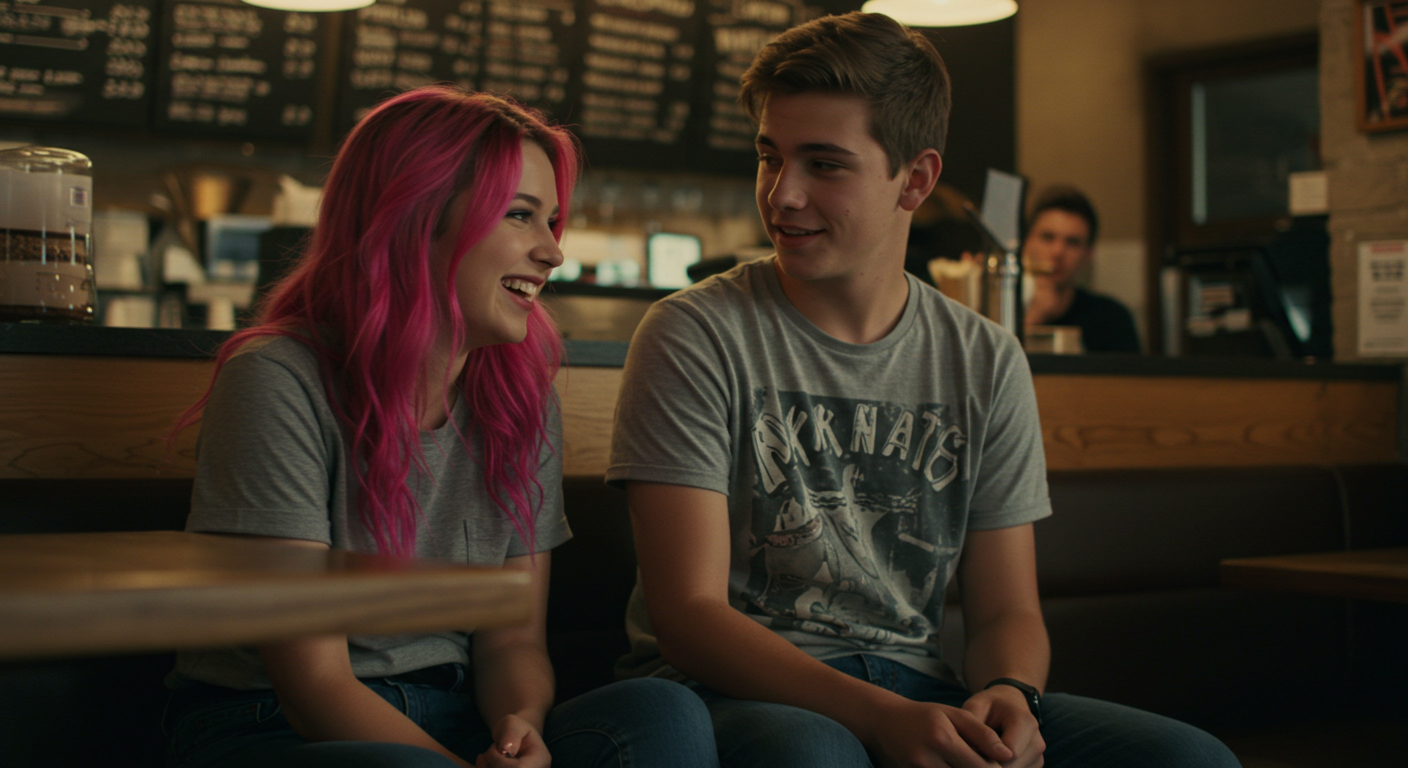
Here are some of the most common dating slang terms you will hear in 2025 and what they mean.
- Breadcrumbing – Giving someone small bursts of attention without any plan to commit. This can include liking their social media posts, replying to a story once in a while, or sending a casual text but never making real plans.
Example: “He texts me every few weeks but never asks me to hang out. That is breadcrumbing.” - Situationship – A romantic or sexual connection without a clear label. It feels like a relationship in some ways, but there is no official commitment.
Example: “We spend a lot of time together, but we are not exclusive. It is just a situationship.” - Benching – Keeping someone as a backup option while pursuing others. It is more intentional than breadcrumbing and usually involves just enough contact to keep the other person interested.
Example: “She checks in now and then, but never actually sets up a date. I think I am being benched.” - Rizz – Short for charisma. This describes someone’s ability to charm or flirt in a smooth way.
Example: “He has so much rizz. Everyone seems drawn to him.” - Gyatt – An expression of admiration for someone’s appearance. Often used in a playful or excited tone.
Example: “Gyatt, you look amazing tonight.”
The meaning of these terms can shift between online and offline use. For example, “rizz” in a group chat might be used jokingly, but in person it could be a genuine compliment. “Breadcrumbing” on social media might mean irregular likes or comments, while offline it could mean occasional casual meetups with no follow-up.
Slang That Shapes Relationship Stages
Gen Z uses slang to map out different phases of dating. These words often help set expectations without long explanations.
- Hard launch – A clear, public reveal of a relationship, usually with a photo of both partners or a direct statement.
Example: “They posted a couple photo with the caption ‘My person.’ That is a hard launch.” - Soft launch – A subtle reveal that hints at a relationship without showing the other person directly. This might be a photo of two drinks, a shared sunset, or a cropped image that suggests another person is there.
Example: “She posted a picture from dinner with a mystery hand in the corner. Soft launch.” - Talking stage – The period of getting to know someone before there is any official label. It often involves texting, calling, and casual meetups.
Example: “We are in the talking stage. Just getting to know each other right now.” - Slow burn – A connection that develops gradually, often starting as friendship or casual contact before becoming romantic.
Example: “We started as classmates, then friends, and now we are dating. Total slow burn.”
These phrases influence how people approach the relationship. A “talking stage” implies no exclusivity yet, while a “slow burn” suggests patience is needed. A “soft launch” may mean privacy is important, and a “hard launch” signals a more official status.
Social Media’s Influence on Romance Trends

Social media does more than spread slang. It shapes how relationships are presented and perceived. TikTok is a major source of new dating terms thanks to short, relatable videos that turn everyday experiences into viral content. Instagram fuels visual relationship trends like the soft launch and hard launch, making them part of how people define relationship milestones. Snapchat keeps casual, ongoing interaction alive with streaks, quick snaps, and low-effort updates.
These platforms also speed up how fast slang evolves. A new phrase can go viral on a Monday and be part of mainstream dating talk by Friday. Because people remix and adapt trends instantly, the meaning of a word can change depending on the friend group or online space using it.
Viral dating stories play a role in shaping attitudes too. Stories about awkward first dates, surprise proposals, or unexpected breakups spread quickly and influence how people think about romance. These short, shareable narratives often reinforce the slang terms that describe them.
How Gen Z Flirts Using Slang
Slang is not just a way to describe relationships. For Gen Z, it is a tool for flirting. Playful teasing often involves tossing around terms like “rizz” or “gyatt” in a joking way. Complimenting someone’s “rizz” might be half a joke, half a genuine acknowledgment of their charm.
Memes tied to dating slang are another popular flirting method. Sending someone a meme that references a trending dating term can signal shared humor and cultural awareness. Niche internet references make the interaction feel personalized, especially if they relate to a mutual interest.
Slang is often combined with emojis, GIFs, and reaction images to make the meaning clearer. A single word can be playful or serious depending on the visual cues that go with it. For example, a “rizz” comment with a winking emoji reads very differently than one with a straight-faced reaction image. This layering of text and visuals is a signature part of Gen Z’s flirting style.
Modern Romance Trends Beyond Slang

Slang may be one of the most visible parts of Gen Z dating culture, but it is not the whole story. Many trends shaping modern romance in 2025 have more to do with values and lifestyle than vocabulary. One of the most noticeable shifts is the rise of sober and damp dating. On early dates, many people now choose to limit or completely avoid alcohol. This allows them to stay clear-headed, read each other’s signals accurately, and build a connection based on genuine conversation.
There is also a strong preference for low-pressure first meets. Instead of going straight into a formal dinner or expensive activity, a coffee walk, a bookstore browse, or a shared hobby session is often the preferred choice. These environments create a relaxed atmosphere where both people can be themselves without the pressure of dressing up or performing for each other.
Digital body language has also become a recognized part of the dating process. The way someone uses emojis, their timing when replying, and how often they interact with your posts can give as much insight as in-person cues. Gen Z dating blends online and offline behavior in a way that makes both equally important to understanding interest.
Slang That Signals Red Flags
Just as slang can describe positive attraction, it can also warn about unhealthy patterns. Recognizing these terms can help daters spot trouble before it becomes serious.
Love bombing – Overwhelming someone with gifts, compliments, and attention in the early stages to create a fast bond. Often this intensity drops off once the person feels they have secured your interest.
Example: “He sent me flowers, expensive dinners, and daily good morning texts in the first week. Total love bombing.”
Ghosting – Ending all communication without explanation, leaving the other person with no closure.
Example: “We had three great dates and then she ghosted me. No reply, no reason.”
Orbiting – Maintaining a passive presence in someone’s online life by liking posts or viewing stories without engaging directly.
Example: “He never texts me back but still views every story I post. That is orbiting.”
These behaviors are now widely discussed, and many in Gen Z set clear boundaries around them. If someone starts breadcrumbing, orbiting, or ghosting, the common advice is to disengage and invest energy elsewhere.
Inclusivity and Identity in Gen Z Romance

Gen Z is one of the most diverse and identity-conscious generations. Their dating culture reflects this through both language and behavior. Many people use gender-neutral terms such as partner or significant other, especially early in dating, to avoid making assumptions.
Some popular slang terms in today’s dating scene originated in LGBTQ+ spaces before becoming mainstream. Examples include hard launch, soft launch, and slow burn. Recognizing these roots helps preserve the context and shows respect for the communities that created them.
Pronoun awareness is another central part of Gen Z dating etiquette. Sharing pronouns early and using them correctly is a basic sign of respect. Misgendering or ignoring pronouns is often a dealbreaker. Inclusivity is not treated as optional, but as a standard for healthy and respectful romantic connections.
Future of Gen Z Dating Slang
The slang Gen Z uses today will not stay the same forever. As technology changes, new words will emerge to describe new experiences. Artificial intelligence, virtual reality, and metaverse-style dating platforms are likely to bring a fresh set of terms into the dating vocabulary. People may soon be talking about AI-assisted flirting or avatar-based relationships with the same casual tone they now use for terms like situationship.
Short-form video platforms will continue to be the main engines for new slang. TikTok, Instagram Reels, and future social apps will spread phrases at lightning speed. Some words will burn bright and fade quickly, while others will stick around and become part of the long-term dating lexicon.
One thing will remain constant. Slang will continue to shape how Gen Z talks about love and attraction. It will serve as a cultural fingerprint, reflecting how this generation experiences connection in a fast changing world. For anyone navigating modern romance, understanding this evolving language is not just a trend. It is an essential part of understanding the relationships themselves.
My Go-To Platform for Flings, Affairs, and MILFs
Looking for top-notch flings, affairs, or MILFs? Skip the rest, AdultFriendFinder is the gold standard. Zero bots, zero fakes—just real connections. I've scored big in multiple cities. Sign up now, it's FREE!