
The Gen Z Stare Is the New Flirt


The Gen Z stare is a modern style of flirting that relies on small, intentional details. It is a look made up of a neutral facial expression, soft eyes, and a brief hold of eye contact. It is subtle and controlled, designed to create a sense of connection without making the other person feel trapped or pressured.
Unlike a glare, which feels sharp and confrontational, or a blank deadpan that comes across as distant, the Gen Z stare has a warm undertone. The eyebrows stay relaxed, the eyes hold gentle focus, and the overall vibe is calm. Even without a smile, it feels open.
This style of flirting works because it offers a choice. The other person can respond or look away without awkwardness. It respects boundaries while still signaling interest. In a generation that values consent and authenticity, this makes it both appealing and safe.
The look is also highly adaptable. It can happen in passing between two strangers or in a longer interaction between people who already know each other. It requires no props, no rehearsed lines, and no big performance. Just attention, intention, and a moment of presence.
What Really is The Gen Z Stare and Why It Works
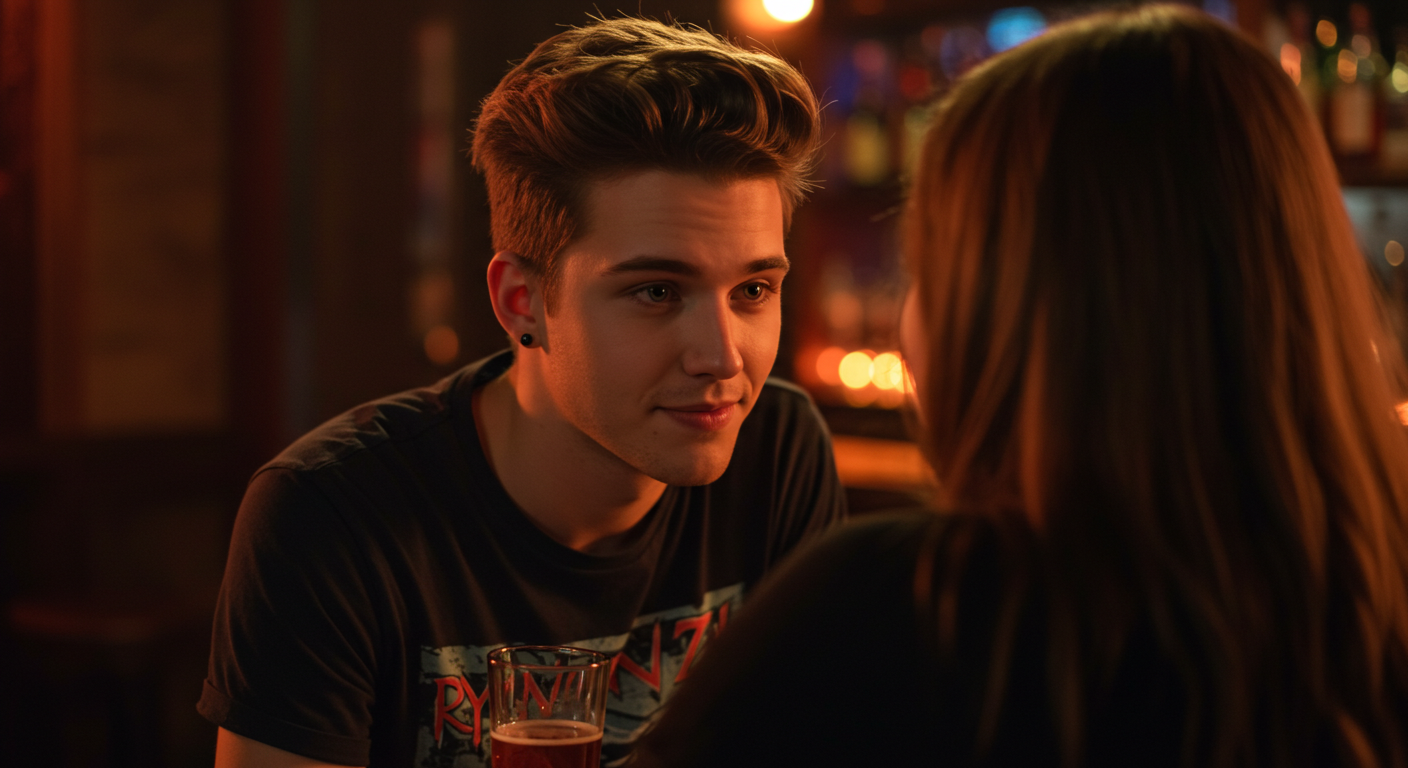
Eye contact is one of the oldest nonverbal tools for human connection. Even a short moment of mutual gaze can trigger small chemical responses in the brain linked to trust and attraction. The Gen Z stare uses this natural reaction in a minimal, low pressure way.
It is high signal but low effort. There is no need to walk across the room or interrupt someone’s conversation. You simply give a moment of attention and see if it is returned. If the other person looks back and holds your gaze, you have opened the door to interaction. If they look away and do not return, you can easily move on without losing face.
This fits well with Gen Z dating values. They avoid approaches that feel forced or fake. They want connections that grow naturally. The stare gives them a way to test mutual interest without breaking the flow of the moment.
It also works in a variety of settings. In a noisy place like a concert, it can be the only form of communication that works. In a quiet library or coffee shop, it can be a soft signal that invites a conversation later. The flexibility is part of its power.
Where It Shows Up
The Gen Z stare is most effective in places where eye contact is part of the environment. On a college campus, it might happen across a study table or in the hallway between classes. In a cafe, it could occur while waiting for drinks at the counter. At a concert or a hobby group, it may happen during a pause in the activity or between songs.
There is also a clear online version. Looking directly into the front camera on a video or livestream can mimic real eye contact. Paired with a short caption, a subtle smile, or even a neutral face, it can create the same feeling as the in person stare. TikTok trends and Instagram Reels often use this technique, sometimes turning it into a playful challenge or meme.
The moments that invite this type of glance are usually unforced. Passing each other in a hallway, making brief eye contact while someone walks into the room, or catching eyes in a shared public space all offer natural opportunities. Online, it might happen during a video call when one person pauses before speaking or when someone posts a photo that feels like direct eye contact.
The key is that it never feels staged. It blends into the rhythm of the space and the interaction.
Anatomy of the Look

Several small details combine to make the Gen Z stare effective. The most important are the eyes, the mouth, the posture, the distance, and the duration.
The eyes should be relaxed and steady. Avoid narrowing them too much, as that can look tense or unfriendly. Keep them open enough to look attentive without seeming intense. A slow blink before or after the look can soften the effect.
The mouth can be neutral or carry the smallest hint of a smile. Too much smile can feel overly eager. Too little expression can feel flat. The goal is balance. Keep the lips relaxed, allowing for a trace of warmth without exaggeration.
Posture should be open and natural. Shoulders stay loose, arms are not tightly crossed, and the body faces the person without leaning in too aggressively. Small adjustments, like angling slightly toward them, can make the look feel more personal.
Distance is determined by the setting. In public, a few feet is enough to feel connected without invading personal space. In closer settings with someone you know, it may be comfortable to be nearer.
Duration is crucial. One to three seconds is enough for the signal to register. Anything shorter may go unnoticed, and anything longer can feel intrusive. Adding small variations can change the tone. A half smile makes it warmer. Glancing away and then looking back adds a playful rhythm. Each variation slightly changes the meaning and can make the interaction feel unique.
Do It Right
The Gen Z stare works best when it feels natural and respectful. The process is simple but benefits from a little thought. First, notice the other person and wait for a moment when they are not busy or deep in conversation. Second, meet their eyes with a calm and relaxed expression. Hold the look for one to three seconds, then release it by looking away.
Timing matters. If you catch their eye in passing, let the look happen in motion. If you are in the same space for longer, wait for small pauses in the environment such as between songs at a concert or while a barista is preparing your drinks. This keeps the moment from feeling unforced and aligns with a more subtle love language that values comfort over intensity.
Body language is important. Keep your shoulders loose and your stance open. Avoid leaning too far forward or making sudden movements that might startle them. A small tilt of the head or a relaxed shift in posture can make the interaction feel more comfortable.
Read the Room
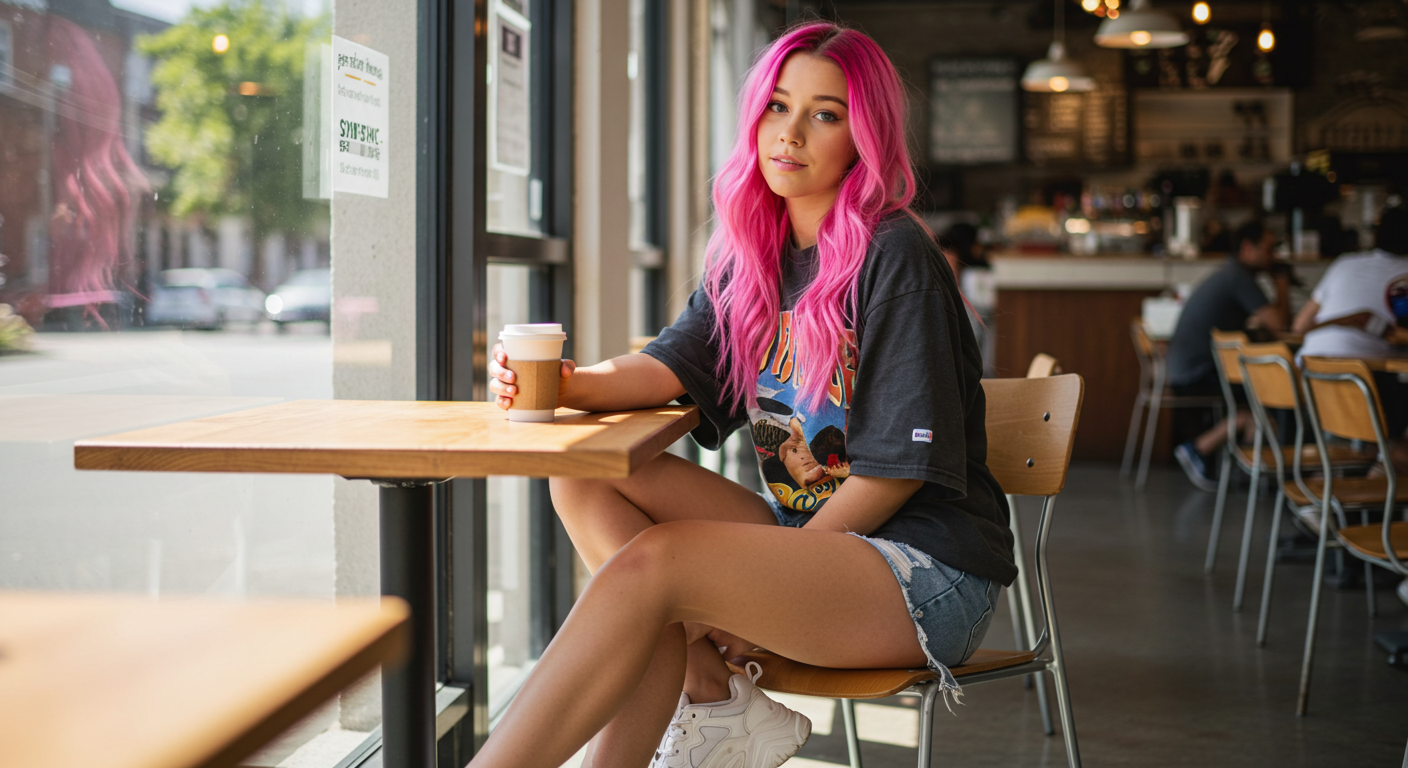
Eye contact is powerful, but context determines how it will be received. In quiet spaces like libraries, study rooms, or cafes, a softer and shorter stare works best. In more energetic environments such as concerts, clubs, or outdoor festivals, a slightly longer look may be fine.
Green lights include the other person returning the gaze, smiling, or subtly adjusting their posture toward you. Red lights include them quickly breaking eye contact without looking back, crossing their arms, or turning away. These cues help you know when to engage and when to let the moment pass.
It is also important to consider power dynamics. If you are in a situation where the other person cannot easily leave or might feel observed without choice, it is better to skip the stare. Comfort varies by culture and by individual. In some cultures, prolonged eye contact is considered intimate, while in others it can feel confrontational. Neurodiverse individuals may also have different comfort levels with eye contact, so sensitivity matters.
From Look to Chat
If the look is returned and you sense a positive signal, the next step is a small, low pressure opener. In person, this might be a casual comment about the setting, like
“This playlist is great” or “That drink looks good, is it worth trying?”
The idea is to keep it light and easy to respond to.
If you have met eyes with someone you already follow online, you can transition to a message. Send a meme related to the moment you shared or reply to their story with a short, genuine comment. A simple “Saw you at the show earlier, hope you had fun” can bridge the gap.
The goal is to keep the tone in line with the look. If the eye contact was playful, the opener should be too. If it was softer and more curious, the opener can be warm and thoughtful.
Gen Z Stare Playbook

Three in person micro scripts could be:
- In a coffee shop: hold the look while they glance up from their drink, smile slightly, then say “Hey, I think we were both here last week.”
- At a concert: catch their eye between songs, nod toward the stage, and say “This band is killing it tonight.”
- At a hobby group: hold the look while sharing an activity, then ask “Have you been coming here long?”
Three DM openers could be:
- “Was that you at the open mic last night?”
- “Okay, I think we made accidental eye contact three times today.”
- “You looked like you were having the best time at that event.”
Quick fixes for making the look more effective include adjusting your posture so you appear open, finding an angle where you can see their eyes clearly, using good lighting if online, and making sure basic grooming and hygiene are on point. To keep momentum without overpushing, follow up after the first interaction but space it naturally so it feels like an ongoing connection rather than constant pursuit.
Boundaries and Ick-Proofing
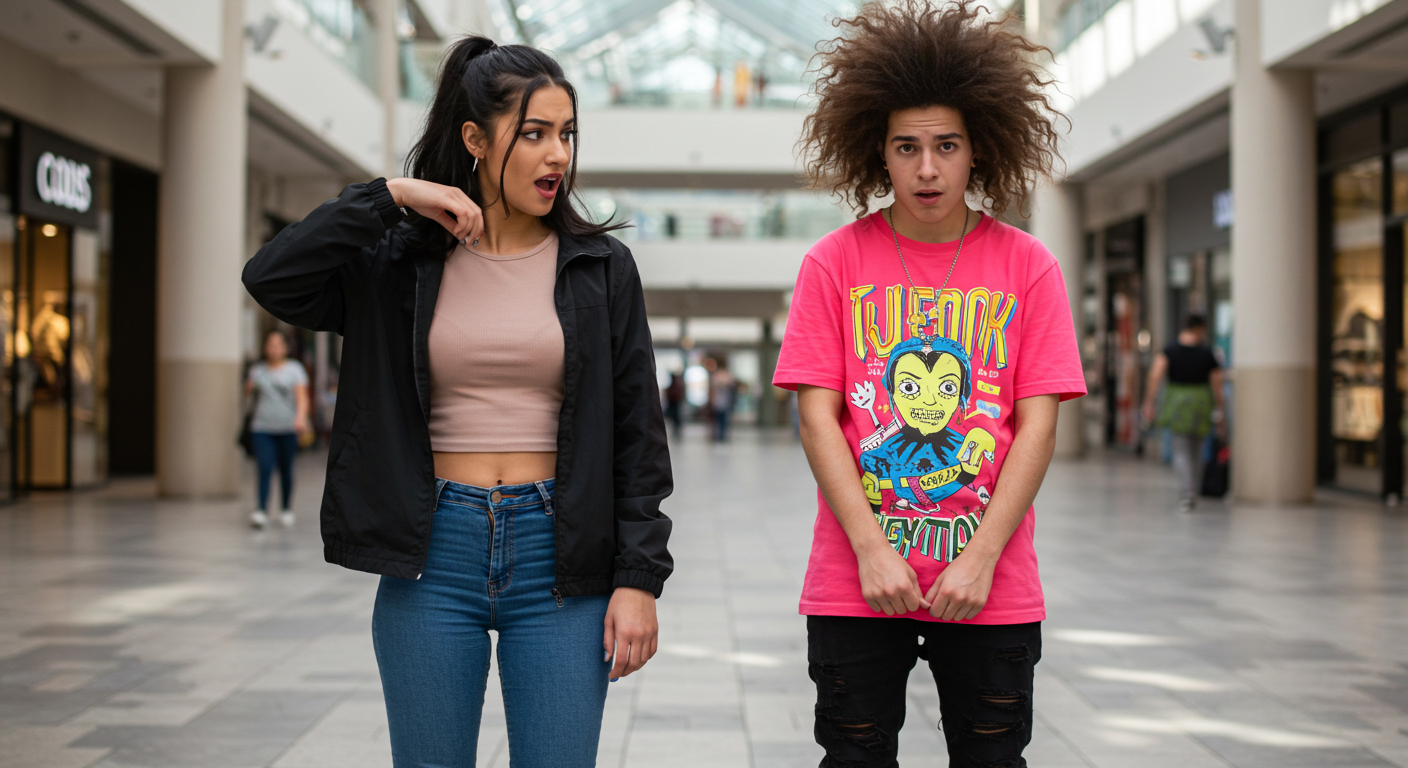
Even a subtle stare can cross into uncomfortable territory if done without awareness. Common mistakes include holding it for too long, standing too close, or blocking the other person’s path. These behaviors can feel intrusive instead of inviting.
Consent is essential in both public and online settings. If you are recording or streaming and making eye contact with the camera, avoid singling out individuals in a way that could make them feel exposed. In person, keep public staring casual and avoid repeating it too many times in quick succession.
Privacy and safety come first. Have a mental checklist for when to stop. If the other person looks uncomfortable, does not return your gaze, or signals disinterest, disengage immediately. If you ever feel unsure about the setting, wait for a better time. And if you receive unwanted attention yourself, remember that you can pause the interaction, walk away, or block someone online. The best flirtation is mutual, light, and leaves both people feeling good.
My Go-To Platform for Flings, Affairs, and MILFs
Looking for top-notch flings, affairs, or MILFs? Skip the rest, AdultFriendFinder is the gold standard. Zero bots, zero fakes—just real connections. I've scored big in multiple cities. Sign up now, it's FREE!