
Dating a Recovering Addict: What You Should Know First


Falling for someone in recovery can be deeply rewarding—but it’s also complex. Love doesn’t erase history, and in this case, that history includes addiction. Whether it’s alcohol, drugs, or other compulsive behaviours, recovery is not a clean slate—it’s a lifelong commitment. And dating a recovering addict means learning how to support, respect, and co-exist with that process.
This isn’t about judgement. People in recovery are often some of the most emotionally aware, resilient, and courageous individuals you’ll meet. But recovery comes with unique challenges: navigating trust, managing triggers, and knowing when you’re helping versus enabling.
If you’re considering or currently dating a recovering addict, it’s crucial to understand what you’re stepping into. Not to scare you off—but to prepare you for the reality beyond the romance. Because love, no matter how strong, can’t “fix” addiction. What it can do is support growth—yours and theirs—if both people are honest and emotionally ready.
This article explores what you should know before diving in: the dynamics of recovery, the importance of boundaries, and the emotional tools you’ll need to build something safe, stable, and truly loving.
Understanding Recovery: It’s a Lifelong Process

Recovery doesn’t end after rehab, a 12-step program, or a set number of “clean” days. It’s an ongoing journey—one that your partner is on every single day. If you’re dating a recovering addict, you need to respect that recovery will always be part of their life—and, by extension, part of yours.
Recovery often includes structured routines: support meetings, therapy, check-ins with sponsors, and lifestyle choices that help manage cravings or triggers. These aren’t optional or symbolic—they’re critical to staying sober. Skipping a meeting or breaking routine might not seem like a big deal to you, but it can be a major red flag to someone in recovery.
It’s also important to know the language of recovery. Terms like “dry drunk,” “slip,” or “relapse” carry weight. Learn what they mean—not just in theory, but in how they affect your partner’s behaviour, mindset, and relationship readiness.
Expect vulnerability. People in recovery have done deep internal work, often confronting trauma, shame, and pain most people spend a lifetime avoiding. This can lead to powerful self-awareness—but also fragility. Emotional stability may fluctuate, and old wounds can surface quickly under stress.
Loving someone in recovery requires patience and education. You’re not just dating a person—you’re engaging with their process. And the more you understand that, the more stable your relationship will be.

Their Addiction Isn’t Your Responsibility
It’s natural to want to help someone you love—but when you’re dating a recovering addict, it’s crucial to understand that you are not their therapist, sponsor, or lifeline. Their sobriety is their responsibility, and if you try to take it on as your own, you’ll burn out fast—and likely do more harm than good.
Codependency is a common trap in relationships involving recovery. You may find yourself constantly checking in, monitoring their behaviour, or absorbing their emotional ups and downs. This might feel like “being supportive,” but it can quietly become a form of control—or emotional self-sacrifice.
You are allowed to have your own life, emotions, and needs. You do not have to sacrifice your boundaries in the name of support. In fact, maintaining your own stability makes you a better partner—not a selfish one.
Remember, enabling is not the same as loving. Ignoring warning signs, making excuses, or rescuing someone from the consequences of their actions only delays healing. Real support means encouraging responsibility, not removing it.
It can be incredibly hard to witness someone struggle. But if you take ownership of their recovery, you rob them of the power to stay accountable—and you risk losing yourself in the process. The healthiest relationships in recovery are built on respect, not rescue.
Trust and Transparency Take Time
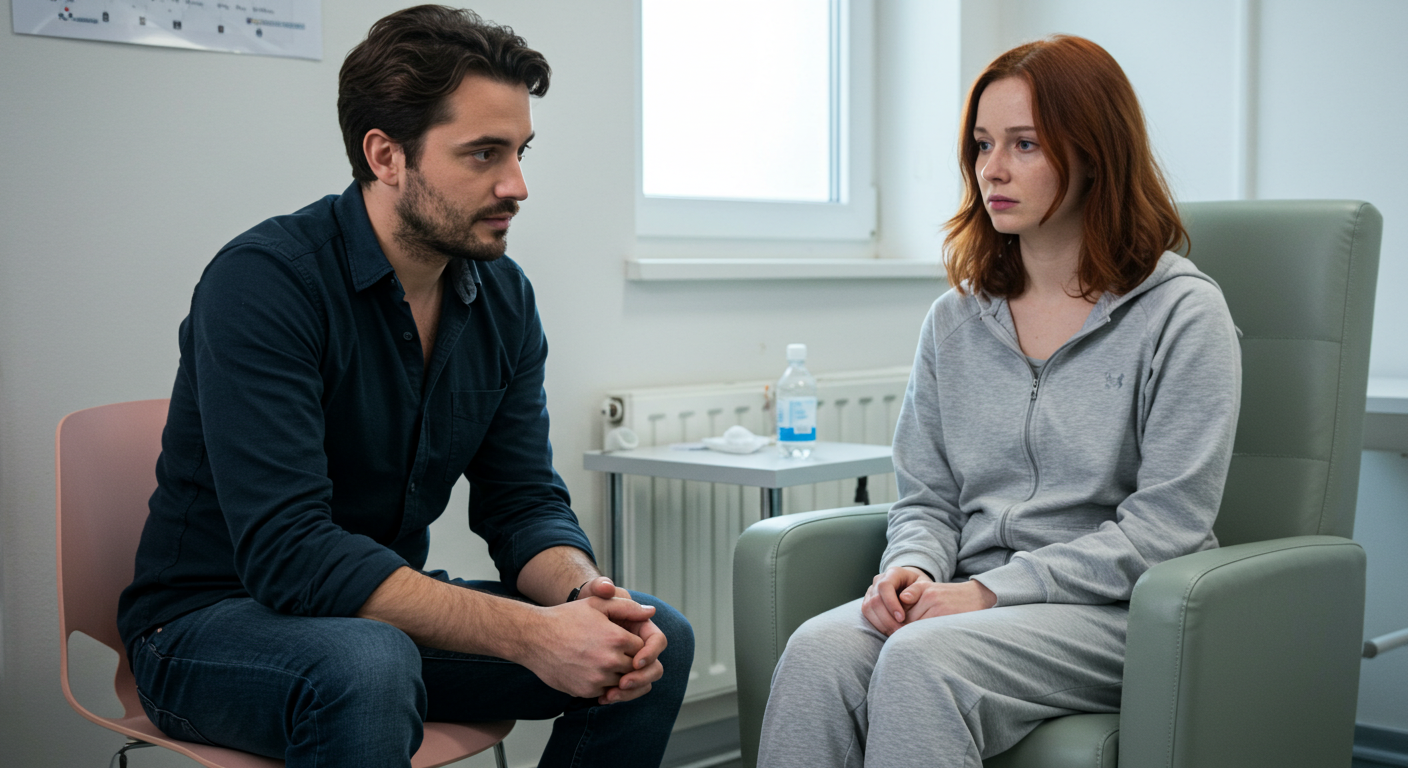
Trust is foundational in any relationship—but when addiction and recovery are part of the equation, trust often carries scars. Addiction breaks promises, distorts reality, and breeds secrecy. Even if your partner is now sober and doing the work, those past patterns can linger, both in your mind and theirs.
If you’re dating a recovering addict, know that rebuilding trust is a process. They may need time to feel safe being completely open with you—and you may need time to believe what they say. That’s not cynicism. That’s healing.
Transparency plays a huge role here. It means being honest about triggers, cravings, stress levels, and even mundane things like where they’re going or who they’re with—not because they owe you explanations, but because openness prevents suspicion from growing.
You may also have your own trust issues. That’s okay. But it’s important to own them, not project them. If you’re constantly checking their phone or questioning their honesty, that’s your work to do—not theirs to fix.
The most important thing is mutual respect. Your partner should never weaponise their recovery to avoid accountability (“I’m in recovery, so you can’t question me”). And you should never use their past as leverage or punishment.
Trust and transparency aren’t immediate—but when built slowly and honestly, they become the bedrock of a deeply connected, sober relationship.
Relapse Doesn’t Mean Failure—but It Will Affect You
Relapse is one of the hardest topics to talk about in recovery—and even harder to navigate in a relationship. But it’s a reality you need to be emotionally prepared for. No matter how committed or strong your partner is, relapse can happen. It’s not inevitable, but it is possible.
First, understand this: relapse doesn’t mean your partner is broken, weak, or incapable of change. Recovery is rarely linear. Just like someone healing from trauma may still have panic attacks, someone recovering from addiction may slip, especially during moments of intense stress or emotional overwhelm.
However, relapse does impact the relationship. It affects trust, safety, and emotional stability. If you’re dating a recovering addict, you need to have a plan—not just hope—that includes how to communicate during setbacks, how to set boundaries around their behaviour, and how to care for your own mental health if things spiral.
You’re allowed to decide what your limits are. If being around substance use is a dealbreaker for you, say so. If you need time apart during a relapse, that’s okay. Loving someone doesn’t mean tolerating everything. It means knowing what you can realistically handle and being clear about it.
Relapse isn’t failure—but pretending it doesn’t affect you is. Approach it with compassion and boundaries. That balance is what keeps you from falling into codependency while still being a supportive partner.
Boundaries Are Essential, Not Optional

In any healthy relationship, boundaries are non-negotiable. But when you’re dating a recovering addict, boundaries become even more crucial. They protect not just your emotional wellbeing, but the structure of the relationship itself.
Boundaries aren’t punishments. They’re agreements that define what’s okay and what’s not. They provide clarity in a dynamic that can, at times, feel unstable or emotionally charged. That might mean setting limits around communication during conflict, how relapse is handled, or what behaviours are unacceptable.
You might, for example, have a boundary around not staying in a relationship if your partner starts using again. Or you may need space if their recovery routine starts to unravel. These aren’t ultimatums—they’re acts of self-care and clarity.
One common mistake people make when dating a recovering addict is bending their boundaries to avoid tension. But boundaries aren’t only for when things are easy—they matter most when things get hard.
Enforcing boundaries may feel uncomfortable at first, especially if you’re empathetic or conflict-averse. But if you constantly adjust to make the relationship work at your expense, it becomes unsustainable—and breeds resentment.
You can support someone and still say no. You can care deeply and still walk away if the relationship starts to cost your peace. Boundaries protect the love. They don’t kill it.
Support, Not Saviour: Knowing Your Role
One of the most dangerous dynamics in relationships involving recovery is slipping into saviour mode. You want to help. You want to fix. You want to save them. But that’s not love—that’s control wearing a halo.
Dating a recovering addict requires deep emotional maturity because the line between support and enmeshment is razor-thin. Healthy support looks like encouragement, listening, being consistent. It does not look like micromanaging their recovery, doing the emotional work for them, or abandoning your own needs to keep the peace.
It’s tempting to make their success your mission. But real recovery can only come from within. If they’re not showing up for themselves, no amount of your support can substitute for self-motivation. And if they are doing the work, they don’t need saving—they need respect.
Supporting someone in recovery means knowing when to lean in and when to step back. It means saying, “I’m here for you,” without making yourself the foundation their sobriety rests on.
You’re not their rehab. You’re not their therapist. You’re their partner. And the healthiest relationships are built on shared effort, not emotional martyrdom.
So give your love, but don’t lose yourself in it. The most powerful thing you can do is believe in their ability to carry themselves—and model what emotional responsibility really looks like.
Conclusion: Dating a Recovering Addict Requires Clarity and Courage

Dating a recovering addict isn’t about fixing someone—it’s about facing reality with open eyes and an open heart. It takes patience, compassion, and maturity to build something solid with someone who’s walking a lifelong road of healing. And it takes courage to be honest about what you can—and cannot—handle along the way.
This kind of love isn’t for everyone. But for those who are emotionally grounded and deeply intentional, it can be incredibly meaningful. Recovering addicts often bring resilience, depth, and emotional insight into relationships—because they’ve done the inner work most people avoid.
But love is never enough on its own. You need boundaries. You need education. You need a strong relationship with yourself so you don’t lose your centre in the name of being “supportive.” And above all, you need clarity: about your role, your limits, and your long-term expectations.
Dating a recovering addict is a unique emotional landscape. It’s not always easy, but it is navigable—with honesty, structure, and real communication. If you’re up for the work, the reward isn’t just love—it’s a relationship built on truth, trust, and shared transformation.
My Go-To Platform for Flings, Affairs, and MILFs
Looking for top-notch flings, affairs, or MILFs? Skip the rest, AdultFriendFinder is the gold standard. Zero bots, zero fakes—just real connections. I've scored big in multiple cities. Sign up now, it's FREE!